




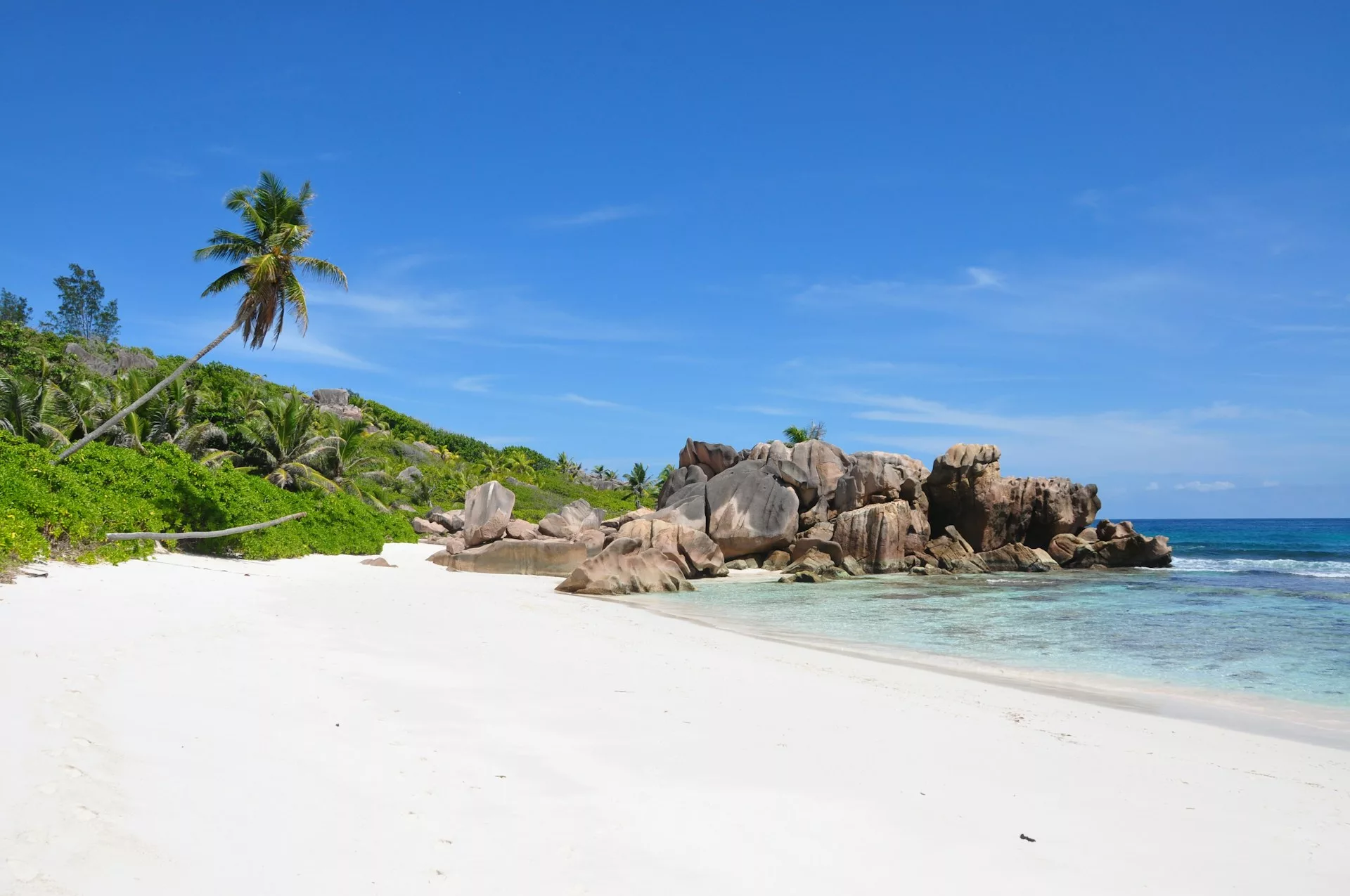

Murcia sits inland, which is either its greatest trick or its best-kept secret. The city itself — sun-baked, baroque, and gloriously unfashionable — sits roughly 60 kilometres from the Mediterranean coast, and yet within an hour's drive you can be horizontal on some of the most dramatically beautiful coastline in southern Spain. The beaches near Murcia range from wind-sculpted dunes backed by protected natural parks to sleepy fishing coves that somehow still haven't made it into the mainstream tourist conversation. If you've been using the city purely as a base for cathedral visits and tapas crawls, you've been leaving the best chapter unread.
This guide covers the finest stretches of sand accessible from Murcia — whether you're hiring a car, booking a transfer, or cobbling together a route across the Costa Cálida and the edges of Almería province. These aren't ranked by popularity. They're ranked by the kind of experience they deliver.
Why the Costa Cálida Deserves More Attention
The Costa Cálida — literally the "warm coast" — is Murcia's own stretch of Mediterranean shoreline, and it runs for roughly 250 kilometres between the border with Valencia to the north and Almería to the south. What makes it distinct from the Costa del Sol or the Costa Blanca isn't just the lower density of tourists (though that's significant). It's the geology. The region's beaches are framed by volcanic headlands, salt lagoons, and semi-arid landscapes that give the coastline a North African feel — austere, bleached, and powerfully atmospheric.
The Mar Menor — Europe's largest saltwater lagoon — also sits within the region, offering calm, shallow, mineral-rich water that's a world apart from the open Mediterranean chop. For families, or anyone who simply wants to float rather than fight waves, this inland sea is quietly extraordinary.
If you're planning a broader itinerary around the region, our guide to the best day trips from Murcia by car covers how to combine beach visits with the region's other highlights efficiently.
Calblanque Regional Park — The Beach That Earns Its Solitude
If you make only one journey from Murcia to the coast, make it to Calblanque Regional Park. Wedged between the industrial outskirts of Cartagena and the luxury marina of La Manga, Calblanque manages to feel entirely, stubbornly wild. There are no beach bars here, no sun-lounger rentals, no thumping music from a chiringuito. What you get instead are 13 kilometres of coves, dunes, and pine-shaded cliffs accessible only on foot or by the park's seasonal shuttle service.
The beaches themselves — Calblanque, Larga, Galeras, Montoya — vary in character. Some are broad and sandy with clear turquoise water shallow enough to wade far out. Others are pebbled and hemmed in by dark volcanic rock, with a sense of drama that feels more Canary Islands than mainland Spain. The crystalline water clarity at Calblanque is exceptional even by Mediterranean standards, thanks to the absence of motorised watercraft and the park's strict environmental protections.
Getting there requires some planning. The park road is often closed to private vehicles in summer, with shuttle buses running from La Manga del Mar Menor. Factor in a 20-minute walk once you're dropped off. Bring water, sun protection, and more water. Calblanque does not reward the underprepared.
La Manga del Mar Menor — The Strip and the Lagoon
La Manga is one of Spain's genuinely peculiar geographical phenomena: a 21-kilometre sand spit barely 100 metres wide in places, separating the Mar Menor from the open Mediterranean. Stand on La Manga at its narrowest point and you can see warm, shallow lagoon water on one side and deep-blue sea on the other. The choice of which to swim in is yours, and on a hot July afternoon, both arguments have merit.
The Mar Menor side offers water that averages around 18–20°C even in early spring — significantly warmer than the open Mediterranean — making it ideal for families with young children, paddleboarding, and windsurfing. The lagoon's shallow gradient means you can wade out 50 metres and still be only chest-deep. The water has a slightly higher salt content than the open sea, which adds to the effortless buoyancy that makes it so addictive.
The Mediterranean side of La Manga is more energetic — wider beaches, occasional waves, and the full expanse of open water. Playa de los Alemanes and Playa de la Llana on the outer coast offer a more conventional beach experience with good facilities. La Manga town itself is a brash, vertical place full of apartment blocks — aesthetically challenging, practically useful. Restaurants, supermarkets, and watersports rentals are all within easy reach.
Bolnuevo and the Mud Volcanoes — Where Nature Gets Theatrical
The beaches around Mazarrón — roughly 55 kilometres southwest of Murcia — include one of the coast's most surreal sights. Bolnuevo beach is pleasant enough in the conventional sense: a long, gently curving bay with golden sand and calm, clear water. But walk to its southern end and the landscape transforms completely. Centuries of coastal erosion have sculpted the sandstone cliffs into a series of towers, arches, and pillars that locals call the Ciudad Encantada — the Enchanted City.
Nearby, just inland from the coast, are the fango pools — natural mud baths thought to have therapeutic properties, long used by locals for skin conditions and joint inflammation. Whether or not you believe the medicinal claims, covering yourself in volcanic mud before rinsing off in the sea is an experience that exists in its own category.
The wider Puerto de Mazarrón area has a working fishing harbour, an unhurried atmosphere, and several excellent seafood restaurants where the catch genuinely arrived that morning. Playa de la Reya, a short drive north of Bolnuevo, is another quality beach in the area — longer, with better facilities but a similar sense of relaxed authenticity.
Águilas — Five Beaches in One Town
Águilas sits at the southern tip of the Murcian coast, pressed up against the Almería border, and it operates at a pace several removes from the modern tourist circuit. The town has over 30 beaches and coves within its municipal boundaries — a fact that seems implausible until you see the headland-fractured coastline in person. Five of these beaches are within walking distance of the town centre.
Playa de las Delicias is the most central — an urban beach with good facilities and the pleasant spectacle of the town's pastel-painted buildings rising directly behind the sand. But the real draws are the coves to the north and south of town. Cala de la Higuerica, Cala Cerrada, and Cala Carolina involve short hikes through scrubland and reward you with small, sheltered bays in vivid colours — lapis lazuli water, white limestone cliffs, orange volcanic rock.
Águilas also hosts one of Spain's most celebrated carnivals each February — a reminder that the town has a cultural identity entirely independent of tourism. Eat at one of the harbour-front restaurants: the caldero, a local rice dish cooked in fish broth and served with aioli, is the dish to order.
Cabo de Palos — Serious Diving, Serious Scenery
At the southern tip of La Manga, where the spit meets the open sea, Cabo de Palos is a working lighthouse village that has become one of the Mediterranean's most respected diving destinations. The Cabo de Palos–Islas Hormigas Marine Reserve protects an extraordinary underwater landscape of posidonia meadows, rocky reefs, and extraordinary biodiversity — including large grouper, eagle rays, and occasionally sunfish.
Above water, the village is small, handsome, and unpretentious. The lighthouse itself dates from 1865 and dominates the headland. Several dive schools operate here, and local operators run guided dives for all experience levels within the marine reserve. If you're not a diver, snorkelling off the rocks around the cape still reveals an underwater world significantly richer than the average Mediterranean beach.
The beaches immediately around Cabo de Palos are small and pebbly — functional rather than spectacular. The draw here is the village atmosphere, the diving, and the fresh seafood: several restaurants serve the local speciality of caldero del Mar Menor, the definitive dish of this stretch of coast.
Playa de las Salinas de Lo Poyo — A Flamingo-Backed Beach
This is not a beach you'd find in a glossy brochure, and that's precisely the point. The Salinas de Lo Poyo are salt flats at the northern end of the Mar Menor, part of a protected wetland that supports significant populations of greater flamingos, avocets, and black-winged stilts. The beach itself — more of a calm shoreline than a traditional strand — sits alongside the lagoon here, offering extraordinary birdwatching from the water's edge.
It's an unusual, quietly moving experience: floating in warm, still water while flamingos wade in pink-tinged flocks 50 metres away, against a backdrop of salt pans and distant sierras. The area is part of the Region of Murcia's protected natural spaces network and should be visited with appropriate care for the wildlife.
How to Get to the Beaches Near Murcia
Having your own transport — whether a hire car or a private transfer — is the single biggest factor in how much of this coastline you can realistically access. Public transport serves the major resorts adequately but leaves the more rewarding coves essentially unreachable without a vehicle.
From Murcia city centre, distances to the key beaches are as follows: Cabo de Palos and La Manga are approximately 60–70 kilometres (around 50 minutes by car), Calblanque is similar, Bolnuevo and Mazarrón are 55 kilometres (45 minutes), and Águilas is 90 kilometres (just over an hour). None of these is an arduous journey — the roads are good and largely uncongested outside peak summer weekends.
For those based in the city without a car, private transfers offer a clean solution — particularly useful for a beach day where you'd rather not navigate unfamiliar parking or shuttle systems. Many visitors combine a coastal trip with one or two other stops; our full guide to things to do in Murcia Spain can help build a logical itinerary that makes the most of your time in the region.
When to Visit the Murcia Coast
The Costa Cálida earns its name. Average summer temperatures along the Murcian coast regularly reach 32–35°C, and the sea temperature in August can exceed 26°C. July and August are peak season — the beaches are busy, accommodation prices are highest, and Calblanque's road restrictions are in full effect.
June and September are objectively the best months for beach visits. The water is warm, the crowds are manageable, the light in the evenings is extraordinary, and most facilities are still fully operational. The shoulder season — May and October — offers remarkable value and nearly empty beaches, though the sea is cooler.
Winter along the coast is mild by northern European standards (13–18°C) and genuinely beautiful in terms of light and atmosphere. Calblanque in January, with the park to yourself and the low sun cutting across the dunes, is a different experience from a summer visit — but not a lesser one.
What to Know Before You Go
- Sun protection is non-negotiable. The Murcian coast receives over 3,000 hours of sunshine per year — more than almost anywhere else in Europe. Factor 50 and reapplication every two hours is not overcautious.
- Water and food at Calblanque. The natural park has no commercial facilities. Bring everything you need.
- Parking at peak times. La Manga and Cabo de Palos fill rapidly on summer weekends. Arrive before 10am or after 5pm to find space.
- Respect the marine reserve. Around Cabo de Palos and within the Mar Menor, anchoring restrictions and no-take zones are strictly enforced.
- Nudism. Several coves around Águilas and Mazarrón have established naturist traditions. Check locally before assuming.
The Beaches Near Murcia: A Final Word
The most honest thing to say about the beaches near Murcia is that they reward precisely the kind of traveller who is prepared to do a little more than point at the nearest blue flag and unfold a towel. Calblanque demands a shuttle bus and a walk. Águilas' best coves require a scramble over rocks. The Salinas de Lo Poyo asks you to watch rather than perform. But what you receive in return — solitude, ecological richness, a genuinely unfiltered version of the Mediterranean coast — is worth every ounce of effort. Murcia's beaches haven't been curated for Instagram, and that is their most compelling quality.

Standard Minivan
 5
5
from just €7.65 per person
Group travel? Perfect option is our minivan, 5 passengers and 4 medium suitcases

Standard Saloon
3
from just €10.20 per person
Travel in comfort in these late model saloons, takes 3 passengers and 2 medium suitcases

Large Standard Minivan
8
from just €11.05 per person
Group travel? Perfect option is our large minivan, 8 passengers and 6 medium suitcases

Executive Saloon
3
from just €17.00 per person
Travel in style in these late model saloons, takes 3 passengers and 2 medium suitcases

Standard Minibus
9
from just €18.70 per person
Group travel? Perfect option is our minibus with upwards of 9 passengers and 9 medium suitcases

Luxury Saloon
3
from just €22.95 per person
Travel in luxury in these late model saloons, takes 3 passengers and 2 medium suitcases
Door to door private airport transfers to your destination, anywhere!
Ride Transfer Direct is a company dedicated to quality airport transfers globally. Our team have over 60 years of experience delivering services in the most popular destinations around the world