




Getting to Valencia and Getting Around
Valencia's airport, Aeropuerto de Valencia (VLC) sits around 8 kilometres west of the city centre. The metro Line 3 and Line 5 connect the airport to the city in roughly 20–25 minutes — straightforward, affordable, and air-conditioned. Taxis and private transfers are equally easy to arrange and worth considering if you're travelling with luggage or in a group; they'll deliver you directly to your hotel door rather than navigating underground with bags in tow.
Once inside the city, Valencia is remarkably walkable between its key neighbourhoods: the old town (Ciutat Vella), El Carmen, Ruzafa, and the waterfront. The EMT Valencia bus network is efficient and covers areas where your feet might flag. Renting a bike is also a genuinely excellent option — the Turia Gardens, a long green park threading through the city in a former riverbed, doubles as a dedicated cycling route that links many of the major sights.
Day One: The Old City and Its Layers
Start where Valencia started: the Barrio del Carmen, the oldest part of the city, where Roman walls, medieval towers, and baroque facades crowd together in a state of charming, slightly chaotic coexistence. Begin the morning at the Torres de Serranos, the 14th-century Gothic gateway that once marked the northern entrance to the city. Climb to the top for a view across the rooftops — terracotta tiles, bell towers, and the shimmer of the Mediterranean in the distance on clear days.
From there, walk south through the old town to the Valencia Cathedral and the adjacent Basílica de la Virgen de los Desamparados. The cathedral is an architectural palimpsest — Romanesque, Gothic, baroque, and neoclassical elements layered over seven centuries of construction. The Miguelete tower is worth the narrow spiral climb for another elevated perspective. Inside the cathedral, the Chapel of the Holy Grail quietly houses what is claimed by many to be the actual cup used at the Last Supper. Whether or not you're a believer, it's a genuinely affecting object to stand before.
Lunch on day one should be at the Mercado Central — one of the largest and most beautiful covered markets in Europe, housed beneath a modernist iron-and-tile dome completed in 1928. Don't treat it as a tourist photo stop. Buy things. A slice of coca de llanda, a handful of tiger nuts (chufas) to understand where horchata actually comes from, a wedge of local queso de oveja. The market's tapas bars are perfectly decent for a standing lunch of anchovies, croquetas, and a cold glass of Valencian white.
The afternoon belongs to the neighbourhood of El Carmen itself — street art on crumbling walls, independent bookshops, ceramic-tiled doorways. Lose an hour in it. By late afternoon, make your way to the Institut Valencià d'Art Modern (IVAM), one of Spain's most respected contemporary art museums, whose permanent collection includes a substantial archive of work by Julio González. The building itself, stark and modernist, is a deliberate counterpoint to the baroque excess of the old town next door.
For dinner, head back into El Carmen proper. The neighbourhood comes alive after 9pm in a way that feels entirely natural rather than performed. Look for restaurants running the menú del día in the evening — several do — or commit to a meal at one of the wine bars along Carrer del Mossén Femades, where the local Denominació d'Origen Valencia wines are poured with the confidence they deserve.
Day Two: The City of Arts and Sciences, and Ruzafa
No Valencia itinerary is complete without the Ciutat de les Arts i les Ciències — and no amount of prior photographs quite prepares you for the scale of it in person. Santiago Calatrava and Félix Candela's complex sprawls across two kilometres of the former Turia riverbed, a sequence of white-concrete structures that look simultaneously like a science-fiction film set and a series of enormous bleached bones.
The City of Arts and Sciences comprises several distinct buildings: the Hemisfèric (an IMAX and planetarium), the Museu de les Ciències Príncep Felip (interactive science museum, excellent with children but genuinely interesting without them), the Palau de les Arts Reina Sofía (the opera house, worth visiting even if you're not catching a performance), and the L'Oceanogràfic, Europe's largest aquarium. The latter, designed by Félix Candela, sits at the southern end and is remarkable both architecturally and in terms of its marine collection — the open-air lagoons and Mediterranean tunnel exhibit are the highlights.
Plan two to three hours here minimum. The reflective pools surrounding the buildings shift colour throughout the day; the light at midday is sharp and photogenic, but late afternoon turns the whole complex golden in a way that's difficult to overstate.
After the complex, walk or cycle north through the Turia Gardens to reach Ruzafa — Valencia's most energetically creative neighbourhood. This is where the city's younger creative class has congregated, turning a working-class residential barrio into a grid of independent coffee shops, concept restaurants, ceramics studios, and natural wine bars. It's Valencia's answer to Shoreditch or Gràcia, but with less self-consciousness and better food.
Dinner in Ruzafa should be unhurried. The neighbourhood has several excellent restaurants serving modern Valencian cuisine — producers and seasonality taken seriously, presentation thoughtful without being fussy. If you want a broader picture of what the city's food culture looks like today, our Ultimate Valencia Food Guide maps out exactly where to eat and what to order across every neighbourhood.
Day Three: The Beach, the Waterfront, and a Proper Paella
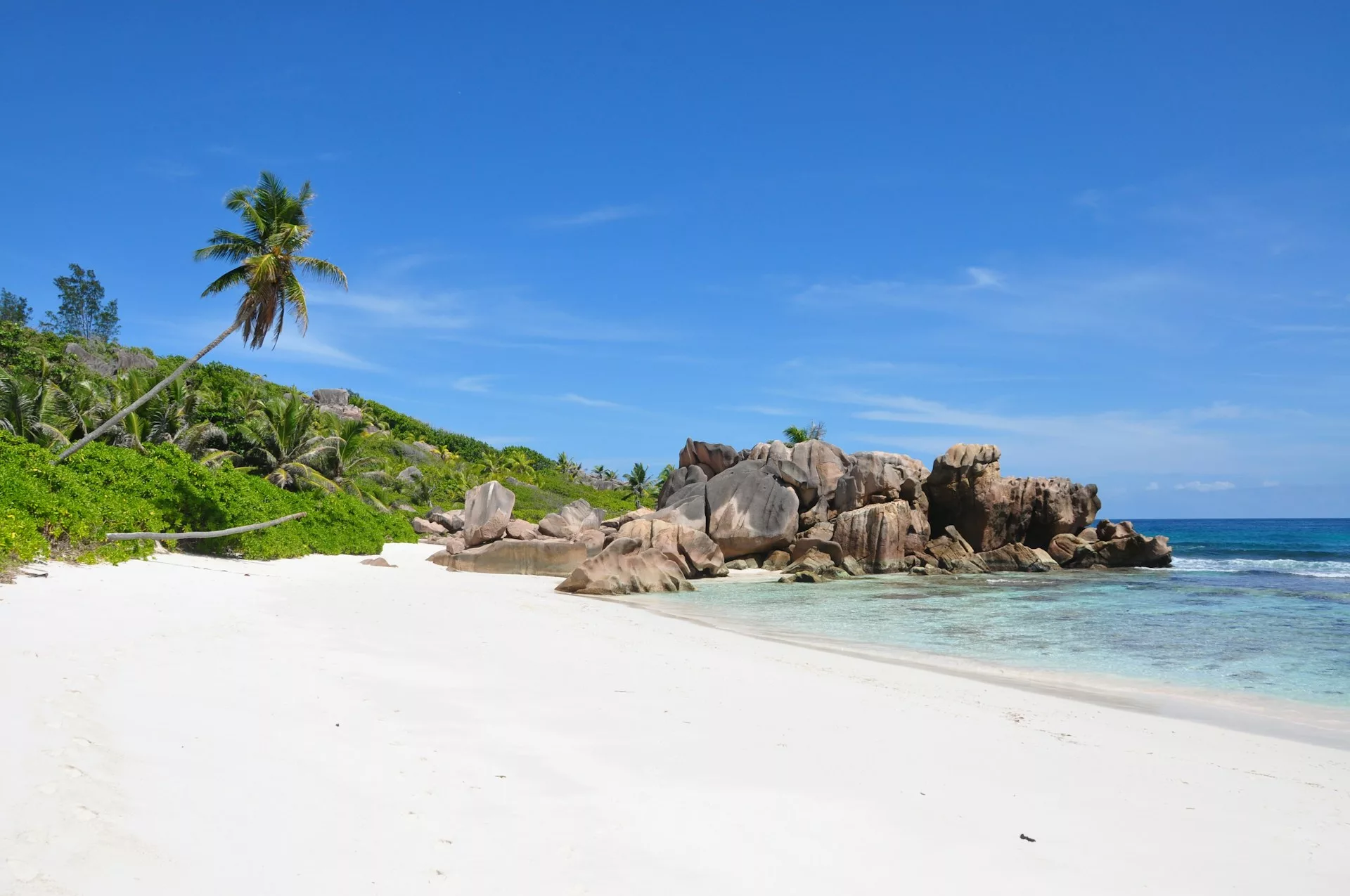
Valencia's beaches are an easy 20-minute cycle or short metro ride from the city centre — a fact that still surprises first-time visitors expecting a beach city to feel more obviously coastal. Playa de la Malvarrosa and Playa de las Arenas are the most accessible, long stretches of fine sand backed by a wide promenade of seafood restaurants. These aren't the prettiest beaches in the region, but they're lively, well-serviced, and genuinely pleasant in the morning before the crowds build. For more detail on the full range of options — including quieter coves to the north and south — the Best Beaches in Valencia guide covers everything you need.
After the beach, lunch on day three demands a decision: paella. Real paella. Not the seafood mishmash served in tourist traps along the Malvarrosa strip, but an authentic paella valenciana — made with rabbit, chicken, garrofó beans, and ferradura green beans, cooked over orange wood in a wide, shallow paellera until the bottom layer of rice forms a toasted crust called socarrat. This is the dish as it was invented here, in the rice paddies of the Albufera lagoon south of the city.
Several restaurants near the beachfront and in the nearby neighbourhood of Cabanyal serve paella done properly. Expect to wait — it takes 45 minutes minimum to cook correctly, which tells you something about the restaurants that have it ready in 15. Order it for a minimum of two people, pair it with a cold local beer or a pitcher of water and wine, and take your time. The socarrat is non-negotiable — scrape it from the pan.
The El Cabanyal neighbourhood, directly behind the Malvarrosa beachfront, is worth a slow afternoon wander. Once a fishing village, it was incorporated into Valencia in the 19th century and developed its own extraordinary vernacular architecture: a dense grid of narrow streets lined with tiled facades in jewel-bright colours, each house decorated with ceramic panels that have no direct equivalent anywhere else in Spain. It's a neighbourhood that nearly lost much of this heritage to a motorway extension project — plans since abandoned — and the resulting years of neglect and subsequent regeneration have given it an edge that the more polished old town lacks.
By late afternoon, make your way back through the Turia Gardens for a final walk. In the early evening, this green corridor fills with Valencia's residents: families, runners, elderly couples, teenagers on skateboards. It's as good a cross-section of the city as you'll find anywhere, and it's the kind of scene that reminds you why Valencia consistently ranks among the most liveable cities in Europe.
What to Know Before You Go
Valencia operates on Spanish time, which means lunch runs from 2pm to 4pm, dinner rarely starts before 9pm, and the city doesn't truly come alive until after 10pm at weekends. Visitors who try to impose northern European mealtimes on this rhythm tend to miss the best of it.
The best period to visit is spring (March to May) or early autumn (September to October) — temperatures are comfortable, the city is busy but not overwhelmed, and accommodation prices are more reasonable than peak summer. If you're considering a trip in March, the Fallas festival transforms the entire city into a pyrotechnic spectacle of giant papier-mâché sculptures, street parties, and nightly fireworks that shake the windows. It's extraordinary and exhausting in equal measure.
For accommodation, the old town and El Carmen put you closest to the historic sights and the best concentration of restaurants. Ruzafa is a strong alternative if you're more interested in the contemporary food and bar scene. The beachfront hotels along Malvarrosa work well if the beach is a priority, though you'll spend more time and money getting into the city centre.
Beyond the three days covered here, Valencia has considerably more to offer — from the Albufera Natural Park and its rice paddies to the ceramic town of Manises. Our roundup of 27 incredible things to do in Valencia goes well beyond the obvious and is worth reading before you finalise your plans.
Spanish is the primary language, though Valencian (a dialect of Catalan) is co-official and widely spoken and written — you'll see it on street signs, menus, and shop fronts. A few words of either will be appreciated. The euro is the currency. Tap water is safe to drink. Tipping is appreciated but not obligatory; rounding up the bill or leaving small change is the norm rather than the 15–20 per cent American convention.
The Takeaway
Three days in Valencia is enough to understand why this city has been quietly seducing discerning travellers while its louder Spanish rivals — Barcelona and Madrid — command the headlines. The architecture is genuinely world-class at both ends of the historical spectrum. The food is rooted, serious, and delicious in a way that feels earned rather than performed. The beaches are real and the neighbourhood life is unaffected. What this itinerary gives you is a structured entry point — the cathedral and the market, the Calatrava complex and the Turia Gardens, the paella and the socarrat scraped from the bottom of the pan. But the best moments in Valencia tend to happen off-script: a glass of something cold at a pavement table in El Carmen at 10pm, the light on the City of Arts and Sciences at four in the afternoon, the sound of Valencian being spoken in a morning market. Plan the framework, then let the city fill it in.

Standard Minivan
 5
5
from just €7.65 per person
Group travel? Perfect option is our minivan, 5 passengers and 4 medium suitcases

Standard Saloon
3
from just €10.20 per person
Travel in comfort in these late model saloons, takes 3 passengers and 2 medium suitcases

Large Standard Minivan
8
from just €11.05 per person
Group travel? Perfect option is our large minivan, 8 passengers and 6 medium suitcases

Executive Saloon
3
from just €17.00 per person
Travel in style in these late model saloons, takes 3 passengers and 2 medium suitcases

Standard Minibus
9
from just €18.70 per person
Group travel? Perfect option is our minibus with upwards of 9 passengers and 9 medium suitcases

Luxury Saloon
3
from just €22.95 per person
Travel in luxury in these late model saloons, takes 3 passengers and 2 medium suitcases
Door to door private airport transfers to your destination, anywhere!
Ride Transfer Direct is a company dedicated to quality airport transfers globally. Our team have over 60 years of experience delivering services in the most popular destinations around the world