




Three days in Valencia is enough to fall properly in love with Spain's third city — and just short enough to leave you desperate to return. This is a place that does everything on its own unhurried terms: lunch at 2pm, dinner at 10pm, and a general philosophy that life is too short for bad rice or mediocre architecture. Get the timing right and a Valencia itinerary of 3 days can cover the golden sweep of its coastline, the baroque splendour of its old town, the startling futurism of the City of Arts and Sciences, and the kind of market food that recalibrates your entire understanding of what fresh produce can taste like.
This guide is built for travellers who want depth, not just a checklist. Each day has a logical geographical flow — minimising backtracking and maximising atmosphere — with specific recommendations for where to eat, what to linger over, and what to skip if time is tight.
Getting There and Getting Oriented
Valencia's Aeropuerto de Valencia sits roughly 8km west of the city centre. A taxi takes around 20 minutes; the metro (Lines 3 and 5) connects the airport to the centre in about 25 minutes for a fraction of the price. If you're arriving with luggage and want a stress-free start, a private airport transfer drops you directly at your accommodation without the faff of ticket machines or crowded carriages — particularly useful if you land late or need to navigate an unfamiliar city for the first time.
Valencia divides neatly into manageable neighbourhoods. The Ciutat Vella (old town) clusters around the cathedral and the Torres de Serranos. The hipster-bohemian barrio of Ruzafa sits just south of the train station. The wide, landscaped green corridor of the Turia Gardens bisects the city east to west, eventually feeding into the City of Arts and Sciences. And beyond that, the beach district of La Malvarrosa and El Cabanyal stretches along the Mediterranean. Understanding this basic geography makes three days feel surprisingly generous.
Day One: The Old Town, the Cathedral, and the Market
Start where Valencia started. The Barrio del Carmen — the oldest quarter of the city — is best experienced before the tour groups arrive, which means breakfast by 9am at a neighbourhood café with a café amb llet and a slice of toast rubbed with tomato and drizzled in local olive oil. This is not a health-conscious choice; it is the correct choice.
From there, head directly to the Valencia Cathedral. Built on the site of a Roman temple and then a mosque, it's a palimpsest of architectural ambition: Romanesque, Gothic, Baroque, and Neoclassical elements crammed together without apology. The famous Santo Cáliz — Valencia's contender for the Holy Grail — sits in its own chapel and is oddly moving even if you're not especially devout. Climb the Miguelete bell tower for a 360-degree orientation of the city's terracotta roofline. It's 207 steps of increasingly narrow spiral staircase. Worth every one.
From the cathedral, it's a two-minute walk to the Mercado Central. Opened in 1928, this is one of Europe's largest covered markets — and one of its most beautiful, with a soaring modernist iron-and-glass roof, hexagonal tiles, and a cacophony of vendors selling blood oranges, fresh anchovies, jamón from legs suspended like chandeliers, and more varieties of rice than most people knew existed. Don't buy anything to cook; come here to eat. The stalls around the edges sell bocadillos stuffed with salt cod, pickled peppers, and cured meats that cost €3 and taste like they should cost considerably more.
Spend the afternoon in Carmen itself — the graffiti-covered medieval streets around Calle Caballeros and Plaza del Tossal reward aimless wandering. The Museu de Belles Arts de València is free, superb, and invariably uncrowded. Its collection runs from Gothic altarpieces to Sorolla self-portraits, with a highlight being the room dedicated to Velázquez's portrait of Pope Innocent X.
For dinner, head to Ruzafa. This neighbourhood — once working class, now packed with natural wine bars and small-plate restaurants — is where Valencians in their thirties actually eat. Try Casa Montaña on Calle José Benlliure for vermouth and boquerones before a proper sit-down meal nearby. For a wider sense of the city's food scene, our Ultimate Valencia Food Guide covers the essential dishes and where to find the best versions of each.
Day Two: Paella, the City of Arts and Sciences, and the Turia Gardens
Day two belongs to the two icons that define modern Valencia's identity: paella and the Ciutat de les Arts i les Ciències.
Begin with a proper Valencian breakfast — a horchata (the cold, milky drink made from tiger nuts, served here and essentially nowhere else worth visiting) and a fartó, the elongated pastry designed specifically for dunking. The best horchata in the city comes from the original Horchatería de Santa Catalina on Plaza de Santa Catalina, open since 1836 and seemingly unchanged since.
Lunch is the centrepiece of this day. Valencianos are evangelical about paella — and rightly so. The authentic version contains chicken, rabbit, green beans, and garrofó (a flat white bean native to the region); there is no seafood, no chorizo, and absolutely no cream. The dish should be cooked in a wide, shallow pan over orange wood if possible, developing the sacred socarrat — the toasted, slightly crisp rice crust at the bottom of the pan. Head to the La Pepica restaurant on the seafront, where Hemingway famously ate. Book ahead, order the Valenciana, and allow at least two hours. This is not fast food. This is ritual.
After lunch, walk south along the waterfront and into the Jardí del Turia — the nine-kilometre linear park that runs through the old riverbed of the River Turia, diverted after catastrophic flooding in 1957. The park is Valencia's green spine: cyclists, joggers, families with pushchairs, teenagers on electric scooters. Follow it west and it brings you directly to the City of Arts and Sciences.
Santiago Calatrava's complex is the kind of architecture that makes you reconsider what buildings are allowed to be. The Hemisfèric floats in a shallow reflecting pool like an enormous glass eye. The Palau de les Arts Reina Sofía — Valencia's opera house — looks like a crustacean from the future. The Museu de les Ciències Príncep Felip is worth entering even if science museums aren't usually your thing; the structure itself, with its exposed white ribs and soaring internal volumes, is the exhibit. Allow two to three hours for the complex as a whole — more if you're visiting the L'Oceanogràfic, Europe's largest aquarium, which genuinely merits a dedicated visit.
For dinner, stay near the Turia and try one of the terrace restaurants along Avenida de Francia. The neighbourhood around the City of Arts and Sciences is quieter than the old town but offers good contemporary Spanish cooking without the tourist premium.
Day Three: La Malvarrosa Beach, El Cabanyal, and a Sunset Send-Off
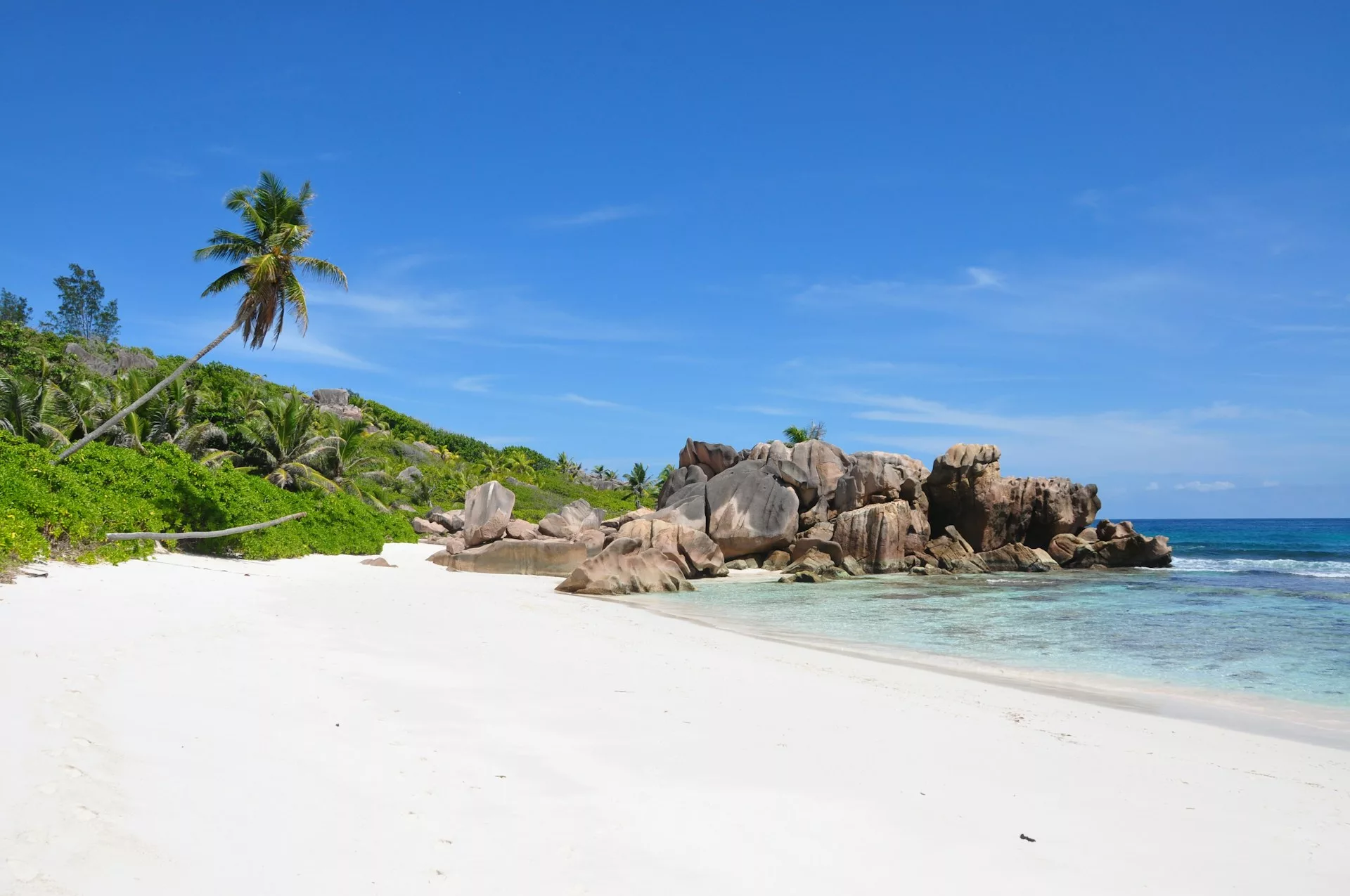
Save the coast for your final day. La Malvarrosa is Valencia's main city beach — broad, well-maintained, and backed by a long promenade of chiringuitos and seafood restaurants. In summer it can get crowded by midday, so arrive early, claim a spot, and swim before the sun reaches its full ferocity. The water here is Mediterranean in the best sense: warm, clear, and genuinely inviting.
Just behind the beach lies El Cabanyal, one of Valencia's most compelling and photogenic neighbourhoods. This former fishing village — now technically absorbed into the city — retains its grid of narrow streets lined with modernista tiled facades in turquoise, ochre, and terracotta. After decades of threatened demolition and urban neglect, El Cabanyal has undergone a quiet renaissance: independent bookshops, ceramics studios, and small tapas bars have moved in alongside the longstanding fishermen's families. Walk Calle de la Reina and Calle de Escalante slowly. The details are extraordinary.
For lunch, there is only one serious option in this part of the city: a fideuà, the seafood noodle dish that is paella's coastal cousin. Made with short, thin noodles instead of rice, cooked in a rich shellfish stock and typically topped with prawns, cuttlefish, and mussels, it is deeply savoury and slightly addictive. Several restaurants along the waterfront do excellent versions — look for anywhere with a wood-burning burner and a menu that changes daily based on the catch.
The afternoon can be spent however the mood dictates. If you've developed a taste for Valencia's coastline, our guide to the best beaches near Valencia covers the quieter coves and stretches of sand reachable by bus or train if you want to escape the city. Alternatively, wander back through El Cabanyal and pick up ceramics, textiles, or a bottle of Agua de Valencia cocktail mix as something more considered than an airport souvenir.
For a final evening, return to the old town and eat late — 9.30pm at the earliest, 10pm ideally. The city takes on a particular quality at night: the cathedral is lit amber, the Plaza de la Reina fills with aperitivo drinkers, and the narrow lanes of Carmen smell of jasmine and frying garlic. Order buñuelos de bacalà (salt cod fritters) at a bar, find a table outside, and do nothing in particular for an hour. Valencia will reward you for it.
Practical Notes for Your Valencia Itinerary
Valencia's public transport system — Metrovalencia — covers most of the city via metro and tram. The T2 travel card offers unlimited journeys across Zones A and B for a flat daily or multi-day rate and is worth buying on arrival. Taxis are plentiful and reasonably priced by British standards. For airport transfers and longer transfers between cities, booking in advance avoids surge pricing and uncertainty.
In terms of timing: Valencia in spring (March to May) is widely considered the optimal window. The weather is warm without being brutal, the Las Fallas festival in March turns the city into an explosion of fire and papier-mâché sculpture, and the beaches are swimmable from late April. Summer is hot — temperatures regularly exceed 35°C in July and August — but the coast provides relief. Autumn is also excellent: quieter, golden, and still warm enough for outdoor dining well into November.
For a deeper dive into the city's attractions and hidden corners before you travel, the ultimate guide to things to do in Valencia covers the full range of experiences across every neighbourhood, from Roman ruins to contemporary art galleries to the city's thriving street food scene.
The Takeaway
A well-constructed Valencia itinerary of 3 days isn't about cramming in every sight — it's about giving yourself enough time to understand the city's particular rhythm. Valencia doesn't perform for visitors the way Barcelona sometimes does; it simply gets on with being itself, which turns out to be extraordinary. By the time you're eating a late dinner on your final night, watching the plaza fill up and the cathedral glow against a dark sky, you'll already be thinking about when you can come back. Budget for four days next time. Give yourself the grace of one morning with absolutely nothing planned. That is when Valencia reveals its best self.

Standard Minivan
 5
5
from just €7.65 per person
Group travel? Perfect option is our minivan, 5 passengers and 4 medium suitcases

Standard Saloon
3
from just €10.20 per person
Travel in comfort in these late model saloons, takes 3 passengers and 2 medium suitcases

Large Standard Minivan
8
from just €11.05 per person
Group travel? Perfect option is our large minivan, 8 passengers and 6 medium suitcases

Executive Saloon
3
from just €17.00 per person
Travel in style in these late model saloons, takes 3 passengers and 2 medium suitcases

Standard Minibus
9
from just €18.70 per person
Group travel? Perfect option is our minibus with upwards of 9 passengers and 9 medium suitcases

Luxury Saloon
3
from just €22.95 per person
Travel in luxury in these late model saloons, takes 3 passengers and 2 medium suitcases
Door to door private airport transfers to your destination, anywhere!
Ride Transfer Direct is a company dedicated to quality airport transfers globally. Our team have over 60 years of experience delivering services in the most popular destinations around the world