




Valencia doesn't do subtle. Spain's third-largest city announces itself in vivid colour — the titanium curves of the City of Arts and Sciences catching the afternoon sun, the smell of woodsmoke and saffron drifting from a beachside restaurant, the medieval alleyways of the old town echoing with laughter well past midnight. This is a city that invented paella, built a futuristic cultural complex on a drained riverbed, and somehow managed to feel entirely unself-conscious about all of it. Whether you're here for a long weekend or a full fortnight, the sheer breadth of things to do in Valencia, Spain will surprise you.
This guide cuts through the noise. No filler, no obvious platitudes — just the genuinely great experiences, neighbourhood by neighbourhood, from world-class architecture to hidden tapas bars, from silky Mediterranean waters to the thundering chaos of Las Fallas. Let's get into it.
The City of Arts and Sciences: Valencia's Crowning Achievement
If you've seen one photograph of Valencia, it was almost certainly taken here. The City of Arts and Sciences (Ciutat de les Arts i les Ciències) is a complex of six futuristic structures designed primarily by Santiago Calatrava and Félix Candela, built across the former bed of the River Turia. From a distance, it looks like a set from a science-fiction film. Up close, it's even more extraordinary.
The official City of Arts and Sciences website lays out your options clearly: the Hemisfèric (an IMAX cinema and planetarium housed inside a structure resembling a giant human eye), the Science Museum, the Oceanogràfic (Europe's largest aquarium), the Opera House, the open-air L'Umbracle gardens, and the Ágora events venue. You could easily spend two full days here without repeating yourself.
The Oceanogràfic alone warrants several hours. Sharks drift overhead in a glass tunnel, beluga whales circle in Arctic tanks, and a separate dolphin pavilion puts on daily shows. For architecture lovers, simply walking the length of the complex at golden hour — when the white concrete turns amber and the shallow pools reflect everything perfectly — is one of the finest free experiences the city offers.
The Old Town: Wandering the Barrio del Carmen
Valencia's Ciudad Vieja is a dense, slightly chaotic tangle of Roman ruins, Baroque churches, Gothic markets, and narrow streets that seem to have been planned by someone working from memory. The Barrio del Carmen, the oldest quarter, is where the city reveals its layers most generously.
Start at the Torres de Serranos — a pair of 14th-century Gothic towers that once formed part of the city walls and now offer panoramic views across the rooftops for a modest entrance fee. From there, work your way south through streets lined with independent bookshops, ceramics studios, and bars that open at noon and close whenever the last person leaves.
The Valencia Cathedral is unmissable. It's a peculiar architectural hybrid — Romanesque, Gothic, Baroque and Renaissance elements all jumbled together across several centuries of construction — and it contains what the Catholic Church officially recognises as the Holy Grail. Whether you're a believer or not, the object itself (a dark agate cup dating to the 1st century) is genuinely striking. The adjacent Miguelete bell tower can be climbed for views that take in the entire old city.
Two minutes' walk away, the Central Market (Mercado Central) is one of the most beautiful modernist structures in Spain. Beneath its stained-glass dome and ornate ironwork, over 1,200 stalls sell jamón, fresh fish, Valencian oranges, local cheeses, and far more besides. Arrive before 11am to beat the crowds.
Food, Markets and the Paella Pilgrimage
You cannot talk about things to do in Valencia, Spain without talking at considerable length about the food. This is, after all, the city where paella was born — not the vaguely yellowish rice dish served in airport restaurants across Europe, but the genuine article: paella valenciana, cooked over a wood fire in a wide, shallow pan, made with rabbit, chicken, green beans and rosemary, the bottom layer of rice deliberately allowed to catch and caramelise into a crust called the socarrat.
The best versions are found not in the tourist-heavy centre but in the beach district of La Malvarrosa and the suburb of El Palmar, a village in the Albufera wetlands south of the city where the rice is still grown. For a deeper dive into where to eat and what to order beyond paella — horchata with fartons, all i pebre eel stew, the unmissable agua de Valencia cocktail — our Ultimate Valencia Food Guide covers the city's culinary landscape in full.
Beyond the Central Market, food lovers should seek out the Ruzafa Market in the hip Ruzafa neighbourhood — a smaller, more local affair — and the Colón Market, a stunning modernist building that now houses boutique food stalls and a good selection of weekend brunches.
The Turia Gardens: Six Kilometres of Urban Green Space
When the River Turia was diverted in the 1960s following catastrophic floods, Valencia faced a choice: build a motorway through the dry riverbed, or turn it into a park. The city chose the park. The result is the Jardí del Túria, a nine-kilometre green ribbon that threads through the entire city, connecting the old town to the City of Arts and Sciences.
It's genuinely one of the great urban parks of Europe. Cyclists, joggers, families with pushchairs, teenagers on skateboards, elderly men playing petanca — the Turia absorbs them all without ever feeling crowded. There are football pitches, a Gulliver-themed children's playground (the giant recumbent figure you can climb over is a Valencia institution), rose gardens, and long stretches of poplar-lined paths where the noise of the city disappears entirely.
Hire a bike from one of the Valenbisi public bicycle stations scattered across the city and use the Turia as your main artery. You can cycle from the Bioparc in the west to the Oceanogràfic in the east without touching a road.
Valencia's Beaches: La Malvarrosa and Beyond
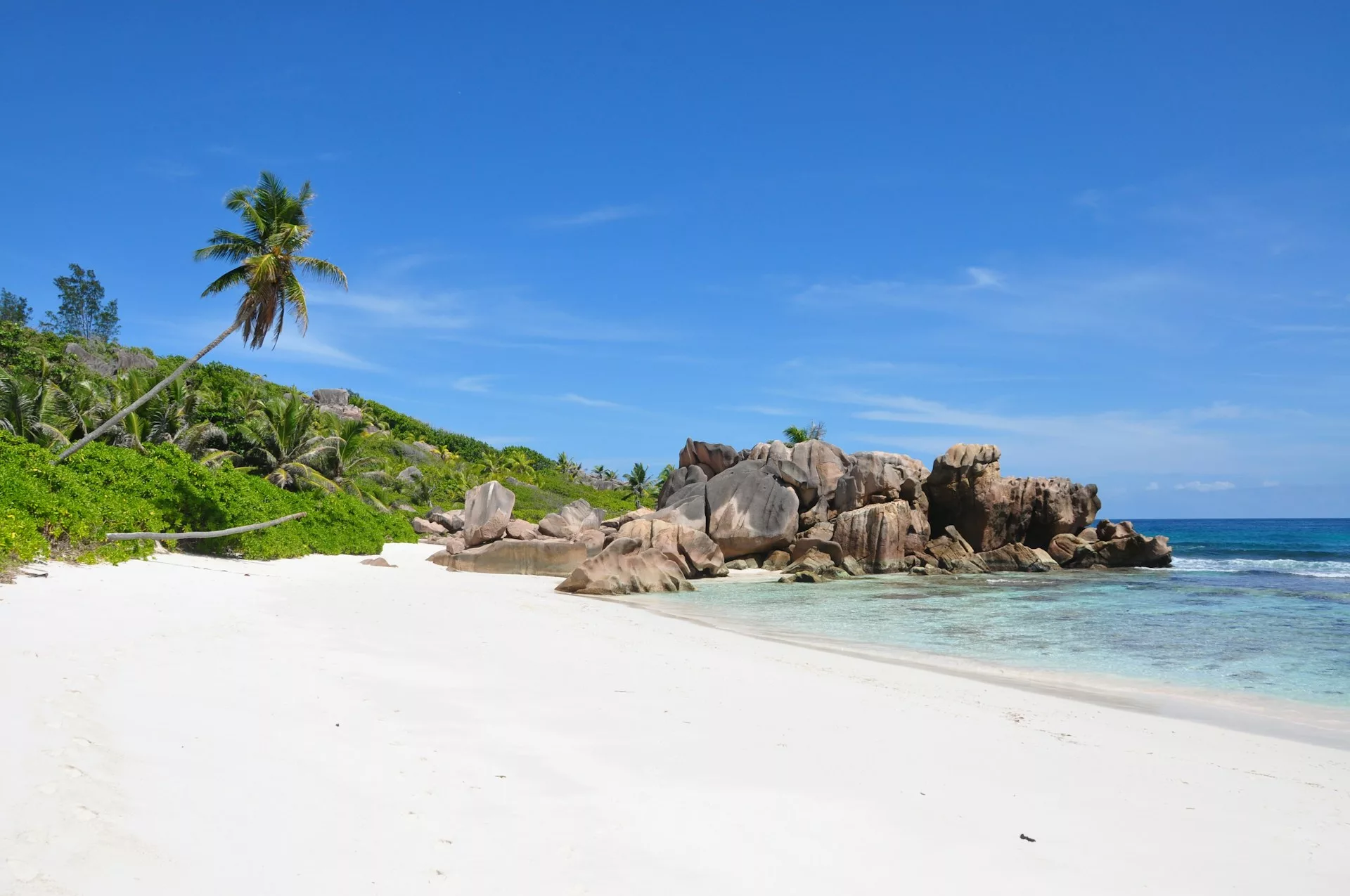
The Mediterranean is twenty minutes from the city centre by tram, and Valencia's beaches are considerably better than the city's modest reputation as a beach destination might suggest. Playa de la Malvarrosa is the main urban beach — wide, well-maintained, lined with seafood restaurants — while Playa de la Patacona, immediately to the north, draws a slightly younger, more local crowd.
For a full breakdown of the best stretches of coastline both in the city and along the wider Valencian coastline, our guide to the best beaches in Valencia covers everything from family-friendly coves to quieter alternatives south of the port. The beach season runs comfortably from May to October, with sea temperatures peaking in August around 27°C.
Las Fallas: Valencia's Pyrotechnic Masterpiece
Every March, Valencia loses its mind in the most spectacular fashion possible. Las Fallas is a festival unlike anything else in Europe — five days of continuous fireworks, enormous papier-mâché satirical sculptures (the fallas themselves), brass bands, women in traditional dress, and a volume of gunpowder that has to be experienced to be understood.
The climax comes on the night of 19th March, the Nit del Foc (Night of Fire), when 800 elaborate sculptures — some costing hundreds of thousands of euros and standing six storeys high — are simultaneously set alight across the city. The fire brigade stands by. The sculptures burn. The crowds cheer. It is genuinely one of the most extraordinary spectacles on the planet, and it's why UNESCO inscribed Las Fallas on its Intangible Cultural Heritage list.
If you're planning a trip around the festival, book accommodation at least three months in advance. The city fills completely, and prices reflect that.
The Albufera Natural Park: Rice Fields and Flamingos
Just 10km south of Valencia, the Albufera Natural Park is a freshwater lagoon and wetland ecosystem of extraordinary ecological richness. Over 250 species of birds have been recorded here, including flamingos, herons, and egrets. The rice paddies that surround the lagoon supply most of the rice used in Valencian cooking, and the small village of El Palmar at its centre is where serious paella pilgrims make their way for lunch.
Boat trips on the lagoon are the classic way to experience Albufera — particularly at sunset, when the sky turns sherbet pink and the water goes completely still. The Albufera Natural Park can be visited independently by bus, taxi or hired bike, or on organised tours from Valencia city centre.
Ruzafa and the New Valencia: Art, Coffee and Night Life
Once a working-class suburb outside the old city walls, Ruzafa has spent the last decade becoming Valencia's coolest neighbourhood. It has been compared to Berlin's Prenzlauer Berg and Barcelona's Gràcia — an unfair comparison that undersells its own particular character, but gives you the general idea: independent coffee shops, natural wine bars, contemporary art galleries, vintage clothing stores, and restaurant after restaurant pushing the boundaries of what Valencian food can be.
Spend a weekday morning here people-watching over a flat white, browse the independent galleries on Calle Sueca, then return in the evening when the neighbourhood shifts gear entirely. The bars around Calle Cádiz and Plaza del Negrito fill up from 10pm and don't slow down until well after 3am. Valencia's nightlife in general is substantially more real and less packaged than in Barcelona or Madrid — you're rarely the only non-tourist in the room.
Day Trips from Valencia: Wider Horizons
Valencia's position on Spain's eastern coast puts it within easy reach of some genuinely remarkable destinations. The Ciudad de las Artes y las Ciencias is one anchor; the wider region provides several others. Xàtiva, an hour south by train, has one of the most dramatically sited castles in Spain. The medieval town of Sagunto, just 25 minutes north, has a Roman theatre carved into the hillside. The Blue Flag beaches of Cullera are an hour away by rail.
For a properly organised approach to leaving the city, our guide to the best day trips from Valencia lays out the options, journey times and practical logistics in full. Renfe regional trains connect Valencia to most destinations in the Comunitat Valenciana efficiently and cheaply — the Renfe website is the most reliable place to book.
Getting Around Valencia: Practical Notes
The city has excellent public transport. The metro, tram and bus network covers virtually everywhere you'd want to go, and the Metrovalencia network runs from the airport to the city centre in around 25 minutes. For the beach, Tram Line 4 runs from near the Torres de Serranos directly to La Malvarrosa — frequent, cheap, and far easier than driving.
The historic centre is very walkable, and Valenbisi bikes handle the Turia corridor beautifully. If you're arriving with luggage or travelling from the airport late at night, a private transfer takes the stress out of navigating an unfamiliar city — particularly useful if you're heading directly to accommodation outside the city centre.
The Honest Takeaway
Valencia is the kind of city that rewards the traveller who does just a little more than scratch the surface. Go beyond the obvious — beyond the Oceanogràfic and the paella photo — and you'll find a place of genuine complexity: a city that takes its food seriously without being precious about it, that built one of the world's great architecture complexes without turning into an open-air museum, that parties with real commitment but still gets up for work the next morning. The things to do in Valencia, Spain are numerous enough to fill weeks of travel, and varied enough to keep returning for. Get here before everyone else decides the same thing.

Standard Minivan
 5
5
from just €7.65 per person
Group travel? Perfect option is our minivan, 5 passengers and 4 medium suitcases

Standard Saloon
3
from just €10.20 per person
Travel in comfort in these late model saloons, takes 3 passengers and 2 medium suitcases

Large Standard Minivan
8
from just €11.05 per person
Group travel? Perfect option is our large minivan, 8 passengers and 6 medium suitcases

Executive Saloon
3
from just €17.00 per person
Travel in style in these late model saloons, takes 3 passengers and 2 medium suitcases

Standard Minibus
9
from just €18.70 per person
Group travel? Perfect option is our minibus with upwards of 9 passengers and 9 medium suitcases

Luxury Saloon
3
from just €22.95 per person
Travel in luxury in these late model saloons, takes 3 passengers and 2 medium suitcases
Door to door private airport transfers to your destination, anywhere!
Ride Transfer Direct is a company dedicated to quality airport transfers globally. Our team have over 60 years of experience delivering services in the most popular destinations around the world