





Walk the Medieval Walls and Old Town
Start where Alcudia itself started: inside the ancient walls. The Muralles d'Alcúdia — largely reconstructed in the 19th century on medieval foundations — encircle a remarkably intact old town that most visitors see only fleetingly before heading to the beach. That is their loss. Step through either of the two grand stone gates, Porta de Mallorca or Porta de Xara, and the atmosphere shifts immediately. The streets narrow to shoulder width, bougainvillea spills over honey-coloured walls, and the sound of the main road evaporates entirely.
Inside, the Church of Sant Jaume dominates the central square with its Gothic austerity and a rose window that catches the late afternoon light magnificently. Adjacent to it, the Museu Monogràfic d'Alcúdia houses an understated but genuinely impressive collection of artefacts from the Roman settlement of Pollentia — bronze figurines, oil lamps, ceramics — all recovered from the site just outside the walls. Entry costs a few euros and takes roughly 45 minutes; it is absolutely worth it for context.
The walk along the top of the walls, where sections allow it, gives you elevated views over terracotta rooftops toward the Tramuntana mountains. Early morning or early evening are the ideal times — cooler, quieter, and photogenic in a way that midday simply isn't.
Explore the Roman Ruins of Pollentia
Just outside the old town walls lies one of the most significant Roman archaeological sites in the Balearic Islands. Pollentia was established around 70 BC and at its peak housed several thousand inhabitants. What survives today is partial but evocative: the outline of a forum, the foundations of domestic buildings, column bases rising from the scrub. The official Alcudia tourism site provides up-to-date visiting hours and ticket information — entry is affordable and often combined with the museum.
What makes Pollentia particularly interesting is the adjacent Roman theatre, the oldest in Spain. Carved into a hillside and capable of seating several hundred, it still hosts occasional performances during summer. Standing on its stone steps and looking out toward the distant bay, you get one of those rare unmediated moments with the ancient world that package-holiday Mallorca rarely offers.
Spend a Morning at the Alcudia Market
The Tuesday and Sunday markets in Alcudia's old town are among the best traditional markets in Mallorca — and that is not faint praise on an island where markets are practically a religion. Arrive before 10am if you want the best of it: local farmers selling tomàtigues de ramellet (the small, intensely flavoured tomatoes threaded on strings), sobrassada (the soft, paprika-cured pork sausage that is one of Mallorca's greatest culinary exports), honey from the Tramuntana, and almonds in every form imaginable.
Beyond the food, stalls spill across several streets selling ceramics, leather goods, linen, and the kind of hand-embroidered tablecloths that your grandmother would have bought and you will probably secretly love. The atmosphere is genuinely local rather than tourist-theatre — this market serves the town as much as it serves visitors, which makes all the difference. Finish with a coffee and an ensaïmada (the spiral pastry dusted with icing sugar that is Mallorca's most beloved breakfast) at one of the café terraces on the main square.
Swimming and Watersports on the Bay of Alcudia
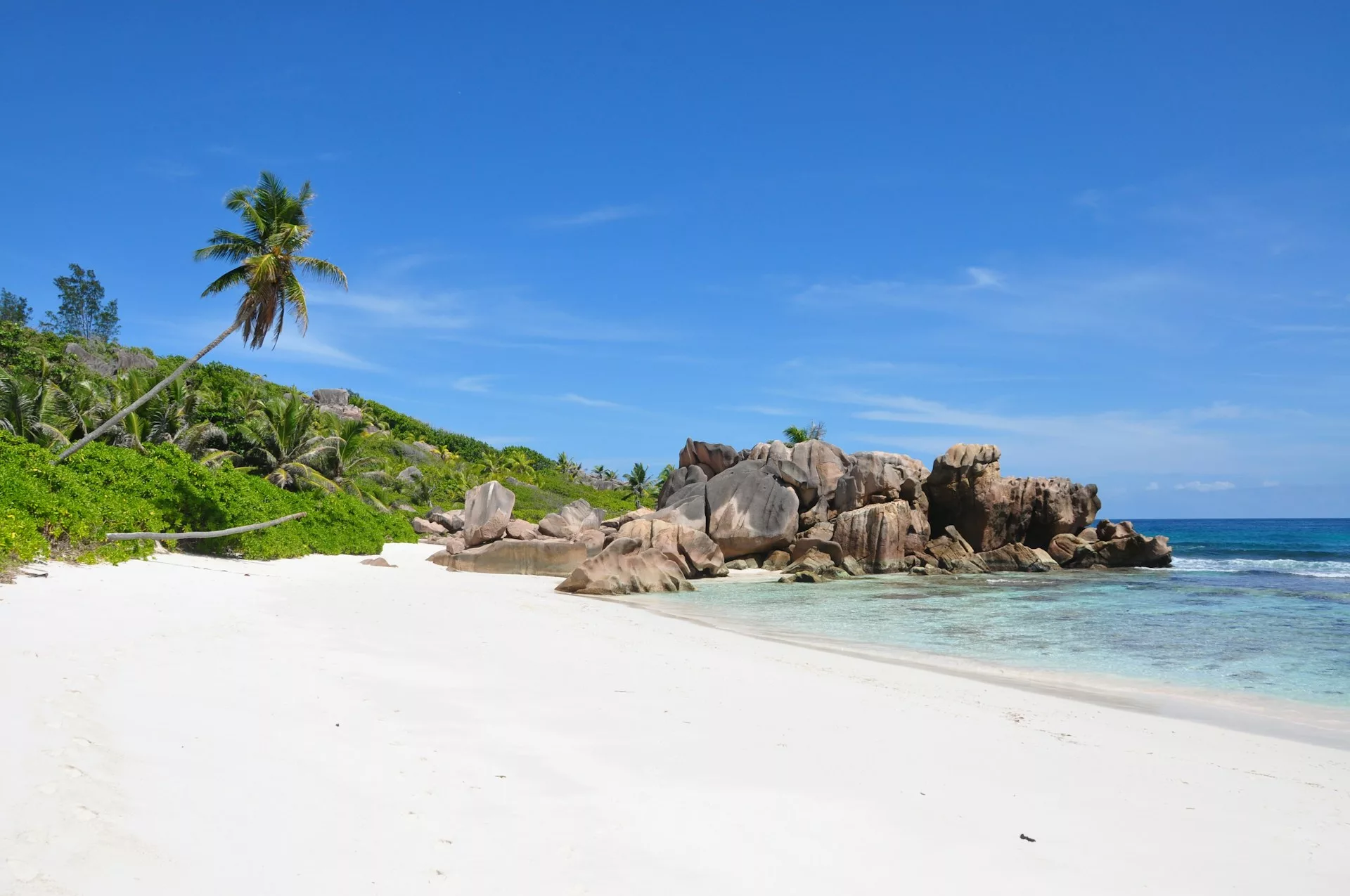
The Badia d'Alcúdia is one of the finest beaches in the Mediterranean — a claim that is made often in Mallorca but here is actually earned. The sand is fine and pale, the water entry is gradual enough for children and nervous swimmers, and the bay's orientation means the water is usually calm even when the wind picks up elsewhere on the island. The beach stretches for several kilometres, meaning it absorbs crowds without ever feeling genuinely packed.
For those who want more than horizontal sunbathing, the bay delivers. Watersports operators along the shore offer paddleboarding, kayaking, windsurfing, and pedalos. Several companies run sailing trips out into the bay and around the Cap de Pinar headland, where the coastline becomes dramatically rocky and inaccessible by land. Snorkelling around the rocky margins of the bay reveals posidonia seagrass meadows — a protected habitat that keeps this water unusually clear — along with wrasse, sea bream, and occasional octopus. The Balearic Islands tourism board has practical details on the bay's beaches and facilities.
Cycle or Walk Through the S'Albufera Natural Park
Immediately south of Alcudia town, the Parc Natural de S'Albufera de Mallorca is one of the most important wetland habitats in the western Mediterranean and one of the most rewarding things to do in Alcudia for anyone with even a passing interest in nature. Over 200 species of bird have been recorded here, including marsh harriers, purple herons, bitterns, and during migration periods, spectacular concentrations of waders and wildfowl. In winter, greater flamingos are a reliable sight.
The park is criss-crossed with flat cycling and walking paths — rentable bikes are available in Alcudia town — and the visitor centre near the main entrance offers free maps and seasonal sighting updates. Entry to the park itself is free, though you must register at the entrance. Visit the S'Albufera park information pages to plan your route and check current opening conditions. Early morning visits are particularly atmospheric: the reed beds alive with warblers, mist still sitting over the channels, the distant Tramuntana mountains sharp against a lightening sky.
Even non-birders will find it a profound contrast to the beach — a reminder that Mallorca is a genuinely complex island ecosystem, not merely a holiday backdrop.
Take a Boat Trip to Cap de Formentor
One of the most dramatic day excursions from Alcudia is the boat trip to Cap de Formentor, the needle-thin peninsula that juts from the island's northeastern corner into the open sea. The cape's lighthouse sits at the very tip, 200 metres above crashing waves, and the views from the boat as you approach — sheer limestone cliffs plunging into water of a deep, impossible blue — are among the most memorable in Mallorca.
Several operators run regular departures from the port, and most stop at the Platja de Formentor, a sheltered beach of extraordinary beauty set between pine forest and clear water. The road to the cape is notoriously congested in summer, so arriving by sea is both more practical and considerably more cinematic. Check schedules and book in advance during July and August when boats fill quickly.
If you enjoy exploring dramatic coastal destinations from the water, you might also appreciate how similar sensibilities apply elsewhere along the Spanish coast — our guide to best day trips from Nerja illustrates just how rewarding it can be to use a well-positioned base to explore a wider coastline.
Eat and Drink Well in Alcudia
Alcudia's dining scene is more considered than its resort-town reputation suggests. Within the old town, several restaurants take Mallorcan cuisine seriously — not merely as a selling point but as a genuine culinary commitment. Look for frito mallorquí (a bold, aromatic fry of offal and vegetables that is properly local), pa amb oli (the island's beloved bread rubbed with tomato and olive oil, the foundation of almost every meal), and fresh-caught fish from the bay treated simply — grilled with olive oil, lemon, and local herbs.
The port area has a string of seafood restaurants with terrace tables facing the water; quality varies but the setting is reliably excellent at sunset. For wine, look out for bottles from the Binissalem DO — Mallorca's principal wine appellation — particularly the reds made from Manto Negro and Callet grapes, which have a warm spice and structure that pairs naturally with the island's food. The Binissalem Denominació d'Origen website is useful for understanding what to look for on wine lists.
Those travelling to Spain and wanting to compare regional food cultures might find useful context in our Nerja food guide, which explores how southern Spanish coastal cuisine — anchored by similar principles of simplicity and local produce — plays out in a very different setting.
Visit the Harbour and Take a Sunset Stroll
Alcudia's working port — Port d'Alcúdia — is a 15-minute walk or short taxi ride from the old town, and it has a character distinct from the beach resort areas. Fishing boats still work out of here, and in the early morning you can watch the catch being unloaded with the kind of purposeful efficiency that reminds you fishing is an industry, not a lifestyle accessory. The marina itself hosts yachts from across Europe during summer, and the waterfront promenade is well suited to the evening ritual of the paseo — that slow, social pre-dinner walk that the Spanish have perfected.
Sunset from the port, looking west toward the bay and the distant hills, turns the water copper and gold in a way that is genuinely, unironically beautiful. The cafés along the quayside fill with a pleasing mixture of locals and long-stay visitors; the atmosphere is relaxed rather than performatively trendy.
Practical Tips for Visiting Alcudia
Alcudia is served by Palma de Mallorca Airport, approximately 55 kilometres south. The most comfortable way to reach the town directly from the airport is by private transfer — straightforward to arrange in advance and considerably less stressful than navigating bus connections with luggage. Once in Alcudia, a bicycle is genuinely the ideal mode of transport: the town itself is walkable, and the flat coastal paths to S'Albufera and along the bay are perfectly suited to cycling. Several hire shops in the town centre and port area offer good-quality bikes by the day or week.
The best time to visit is May, June, or September: warm enough to swim, uncrowded enough to breathe, and with the restaurants and attractions operating fully without the pressure of peak August. The market days — Tuesday and Sunday — are worth building your schedule around. The official Visit Balearic Islands transport guide is a practical resource for planning your inter-island and regional logistics.
If you have the flexibility, staying a minimum of four nights allows you to absorb both the medieval town and the natural park without feeling rushed — a week gives you time to add the Formentor excursion, a market day, and the kind of aimless afternoon wandering that a walled medieval town specifically rewards.
The Takeaway
Alcudia earns its reputation as one of Mallorca's finest destinations not because of any single attraction but because of the density and variety of what it offers within a genuinely manageable compass. The beach is world-class. The old town is authentically medieval. The Roman ruins are among the most significant in Spain. The wetland park is a serious natural habitat, not a manufactured visitor experience. The food, when you find the right places, reflects a culinary tradition worth understanding. Taken together, the things to do in Alcudia constitute an argument for the kind of Spanish coastal holiday that operates on several levels simultaneously — cultural, natural, gastronomic, and yes, happily hedonistic too. Book your transfer, pack your binoculars, and arrive early enough to have the old town walls to yourself before the day truly begins.

Standard Minivan
 5
5
from just €7.65 per person
Group travel? Perfect option is our minivan, 5 passengers and 4 medium suitcases

Standard Saloon
3
from just €10.20 per person
Travel in comfort in these late model saloons, takes 3 passengers and 2 medium suitcases

Large Standard Minivan
8
from just €11.05 per person
Group travel? Perfect option is our large minivan, 8 passengers and 6 medium suitcases

Executive Saloon
3
from just €17.00 per person
Travel in style in these late model saloons, takes 3 passengers and 2 medium suitcases

Standard Minibus
9
from just €18.70 per person
Group travel? Perfect option is our minibus with upwards of 9 passengers and 9 medium suitcases

Luxury Saloon
3
from just €22.95 per person
Travel in luxury in these late model saloons, takes 3 passengers and 2 medium suitcases
Door to door private airport transfers to your destination, anywhere!
Ride Transfer Direct is a company dedicated to quality airport transfers globally. Our team have over 60 years of experience delivering services in the most popular destinations around the world