




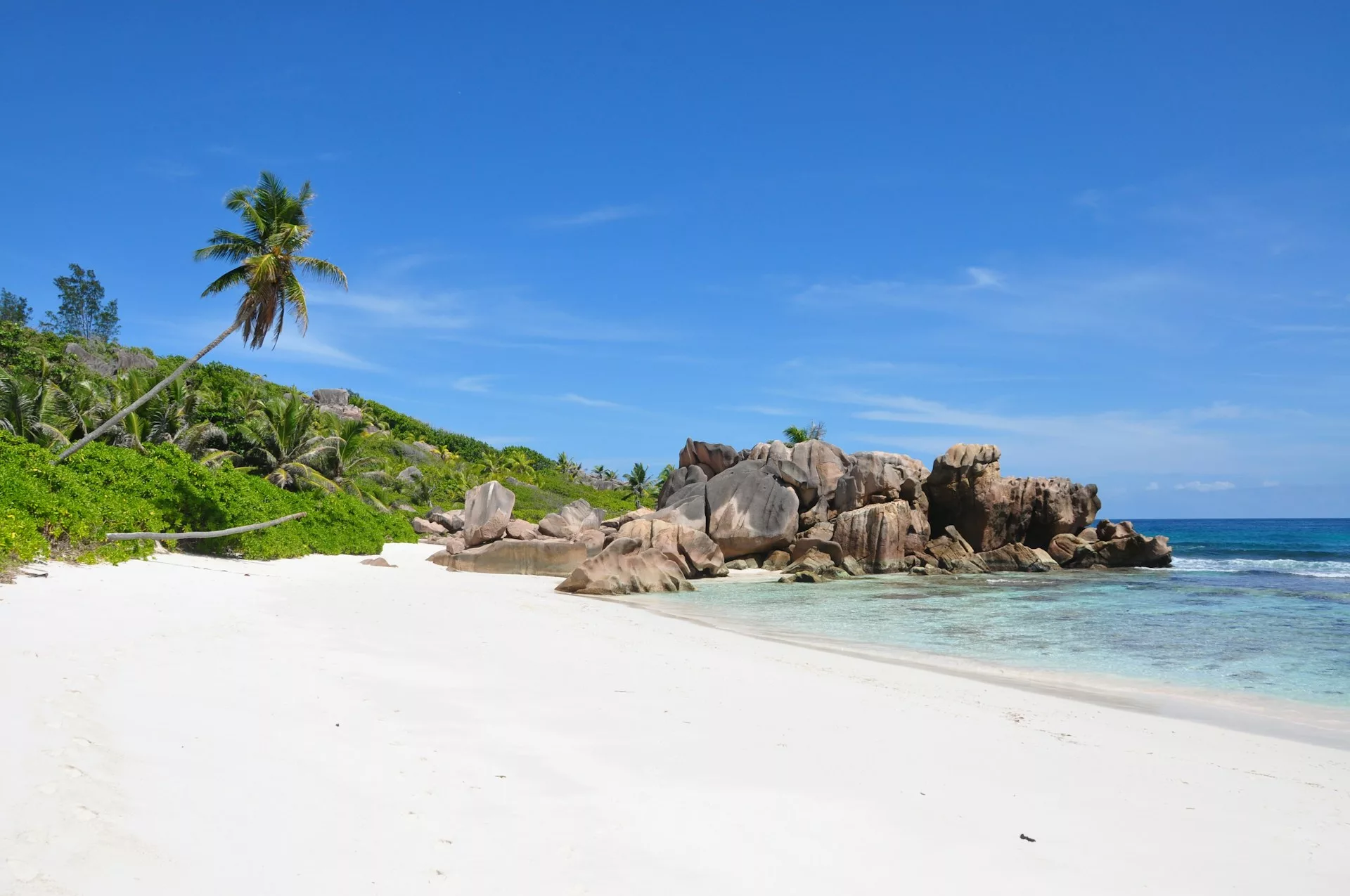

Málaga is many things at once — a sun-bleached port city, a cradle of Picasso, a place where you can eat espetos off a beach at noon and drink sherry in a cave bar by dark. But even the most ardent Malagueño will tell you that the real magic of the Costa del Sol is what lies beyond it. The city sits at the heart of one of Europe's most geographically dramatic regions, and that means extraordinary day trips in virtually every direction. Mountains, white villages, ancient cities, desert landscapes, Atlantic coastlines — all within two hours of the city centre. If you're spending any meaningful time here, leaving without exploring the surrounding region would be a genuine missed opportunity.
Whether you're a first-timer building an itinerary or a returning visitor who already knows Málaga's cathedral and top attractions inside out, these are the day trips that genuinely reward the effort. No filler. No tourist traps dressed up as hidden gems. Just the places that actually deliver.
Ronda: Drama in the Mountains
There is a reason Ronda appears on so many bucket lists. Perched on a sheer limestone cliff at 739 metres above sea level, divided by the El Tajo gorge and connected by the gravity-defying Puente Nuevo bridge, it is one of the most visually spectacular towns in all of Spain. The journey up from Málaga — roughly 100 kilometres through the Serranía de Ronda — is itself part of the theatre, winding through cork oak forest and olive groves as the road climbs into thinner air.
The Puente Nuevo took 42 years to build and was completed in 1793. Standing on it and looking down into the 120-metre gorge below is the kind of vertigo-inducing moment that stays with you. But Ronda is more than its bridge. The old town, known as La Ciudad, is a maze of cobbled lanes, Moorish baths, Renaissance palaces, and the Plaza de Toros — one of the oldest bullfighting arenas in Spain, now a compelling museum even for those with no interest in the sport. The views from the Jardines de Cuenca, hanging gardens that cling to the cliff edge, are extraordinary at any time of day but genuinely cinematic at dusk.
Getting there by car takes around an hour and fifteen minutes. Trains run from Málaga María Zambrano station and take around two hours. Renfe operates the service, and the journey itself — passing through the Guadalhorce valley — is worth the slightly longer travel time.
Granada: The Alhambra and Andalusia's Soul
If you're going to do one day trip from Málaga, make it Granada. The city sits about 130 kilometres northeast, less than two hours by direct bus or around an hour and a half by car via the A-92. And what awaits you is arguably the finest Islamic monument in the Western world: the Alhambra.
The Alhambra is not a single building but an entire fortified complex — palaces, gardens, towers, a summer retreat called the Generalife — built over several centuries by the Nasrid sultans. The Nasrid Palaces in particular are almost disorienting in their intricacy: geometric plasterwork rising floor to ceiling, cedar-wood ceilings carved like honeycombs, pools that double the architecture in perfect reflection. You need to book well in advance. Tickets sell out weeks ahead, especially in high season, and there are strict timed entry slots. Book directly through the official Alhambra website to avoid inflated reseller prices.
Beyond the Alhambra, Granada rewards the curious wanderer. The Albaicín neighbourhood — a Moorish quarter of whitewashed houses climbing a hillside across from the palace — is a UNESCO World Heritage Site in its own right. The tea houses of Calle Calderería Nueva, the tiny flamenco venues tucked into cave bars in the Sacromonte district, the free tapas culture that still operates in most bars here (order a drink, receive a plate of food): this is a city with layers.
Nerja: Caves, Cliffs, and the Costa's Best Beach
East of Málaga along the N-340, the coastline becomes rougher, more dramatic, less developed. Nerja, about 52 kilometres from the city, is the standout destination on this stretch. It occupies a clifftop position above a series of small cove beaches, and its Balcón de Europa — a palm-lined promenade jutting out over the sea like the prow of a ship — remains one of the coast's great viewpoints despite the crowds that gather there.
The beaches below the balcony are excellent: Playa Burriana is the largest and most facilities-rich, but the smaller Carabeo and Calahonda coves tucked into the cliffs feel more intimate and less frantic. Come in late spring or early autumn and you'll have them largely to yourself.
The real revelation, though, is the Cueva de Nerja, a prehistoric cave system discovered in 1959 that contains what researchers believe may be the world's oldest cave paintings — possibly created by Neanderthals over 40,000 years ago. The cave itself is staggering: enormous chambers hung with stalactites, lit with theatrical precision, culminating in a concert hall used for actual performances every summer during the Nerja Cave Festival. Book cave tickets through the official Cueva de Nerja site before you go.
Seville: Grand, Golden, and Entirely Worth the Distance
Two and a half hours by car or a fast train from Málaga's María Zambrano station (roughly two hours on the Avant service), Seville is a longer haul for a day trip but entirely feasible if you start early and move with purpose. The Andalusian capital is a city of overwhelming grandeur — the Real Alcázar, the vast gothic cathedral with Giralda tower, the golden floodlit streets of the Barrio de Santa Cruz — and it can be absorbed in a day if you prioritise well.
Start at the Alcázar when it opens to beat the queues, then walk to the cathedral. Climb the Giralda for views over the city's rooftops and the Guadalquivir river beyond. Have lunch on a terrace in the Santa Cruz quarter — jamón and cold manzanilla sherry is the correct order — and spend the afternoon wandering the Triana neighbourhood across the river. Book Alcázar and cathedral tickets in advance through the official Real Alcázar website to avoid losing hours to queuing.
If you're working from a structured itinerary, having a reliable transfer back to Málaga makes all the difference after a long day on your feet. It's the sort of logistical detail that separates an exhausting excursion from a genuinely enjoyable one.
Antequera: Ancient Dolmens and Forgotten Grandeur
Antequera is the day trip that most visitors to Málaga never take, which is exactly why you should. Less than an hour north of the city by car or bus, this mid-sized market town sits in a wide plain ringed by unusual rock formations and contains, somewhat improbably, a UNESCO World Heritage Site of global archaeological importance: the Dolmens of Antequera.
The three megalithic burial monuments here — Menga, Viera and El Romeral — date to between 3500 and 1800 BC, making them older than Stonehenge and among the finest examples of Neolithic architecture in Europe. Menga in particular is jaw-dropping: a corbelled passage tomb built from 32 stone slabs, some weighing over 180 tonnes, that aligns with the nearby La Peña de los Enamorados mountain on the summer solstice. That level of astronomical precision from a civilisation 5,500 years old is quietly staggering.
Beyond the dolmens, Antequera has a handsome Renaissance town centre, a ruined Moorish citadel with sweeping views, and more churches per capita than almost anywhere in Andalusia. The natural rock formation known as El Torcal de Antequera — a karst landscape of eroded limestone that looks like it belongs on another planet — is 15 kilometres south of town and well worth the detour. More information is available through the official Junta de Andalucía cultural heritage page.
Marbella and the White Villages of the Interior
Marbella is 60 kilometres southwest of Málaga and, along the coastal strip at least, it wears its wealth without much subtlety. The Golden Mile, Puerto Banús, the luxury marina — these are spectacles of a kind, but they're not what makes this area worth visiting. The old town of Marbella, however, is genuinely lovely: a tangle of narrow lanes centred on the Plaza de los Naranjos, fragrant with orange blossom, surrounded by whitewashed walls draped in bougainvillea. Spend an hour or two here before heading inland.
The villages of the Serranía de Ronda and the Axarquía region represent the Andalusia of the imagination — pueblos blancos, or white villages, perched on hillsides with views across olive groves and distant sierras. Frigiliana, just above Nerja, is perhaps the most photographed: a Moorish village of steep lanes and tiled doorways that sells locally produced honey and arrope (grape molasses). Comares, the so-called balcony of the Axarquía, sits at 739 metres on a near-vertical crag and offers 360-degree panoramas that stretch, on clear days, all the way to Africa. These villages pair well with Nerja for a full day out east of the city.
Córdoba: Civilisations Layered in Stone
Córdoba is approximately 160 kilometres north of Málaga — around two hours by car, or just under two hours on the Avant train. It demands a full day, and rewards it without qualification. At its centre stands the Mezquita-Catedral: a building that encapsulates the layered history of Andalusia more powerfully than anything else in the region. A Roman temple became a Visigoth church, which became a great Umayyad mosque, which had a Renaissance cathedral inserted into its heart in 1523. The forest of 856 striped stone columns inside is hypnotic.
Around the Mezquita, the Judería — the old Jewish quarter — is a tightly woven neighbourhood of flower-filled patios and narrow lanes that leads eventually to the Alcázar de los Reyes Cristianos, a 14th-century royal palace with formal gardens and Roman mosaics. Córdoba's famous patios festival in May, when private courtyards are opened to the public and competed over for floral extravagance, is one of the great free events in Spain — but even outside May, the city's relationship with plants, courtyard architecture and water is visible and beautiful at every turn.
Planning Your Day Trips: Practical Matters
A few things worth knowing before you go. Málaga's public transport links are genuinely good for a regional city: the Renfe Avant trains connect to Granada, Córdoba and Seville efficiently and are significantly faster than driving for those destinations. For shorter trips — Nerja, Antequera, the white villages — Avanza Bus and the local Málaga bus network are frequent and inexpensive. The bus station on Paseo de los Tilos handles most regional routes. For Ronda, the train through the Guadalhorce valley is the scenic choice; the bus is faster.
If you're hiring a car — which opens up the white villages and the Axarquía considerably — parking in Málaga city centre is expensive and often stressful. It's worth staying just outside the historic core, or planning to leave early before traffic builds. For evening returns from longer day trips, a pre-booked private transfer takes the logistical strain out of the equation entirely, particularly if you've made the most of Seville or Granada's dinner culture.
If you're still deciding how to structure your time in the city itself before striking out on excursions, the three-day Málaga itinerary on this site is a useful framework — it builds in time for the day trips that best complement what the city itself offers, without trying to do everything at once.
The Takeaway
The best day trips from Málaga aren't just about escaping the city — they're about understanding the wider region it belongs to. Ronda's gorge, Granada's Alhambra, Antequera's ancient stones, Córdoba's layered civilisations: each one adds a dimension to Andalusia that no single city can contain. Málaga is an exceptional base precisely because it sits at the intersection of mountain, coast, history and modernity. Give it three or four days, use it as your anchor, and build your time around two or three of these excursions. Don't try to cram in everything — choose the trips that match your interests, book what needs booking well in advance (the Alhambra above all), and leave enough time in each place to actually breathe it in. The Costa del Sol rewards those who look beyond the coastline.

Standard Minivan
 5
5
from just €7.65 per person
Group travel? Perfect option is our minivan, 5 passengers and 4 medium suitcases

Standard Saloon
3
from just €10.20 per person
Travel in comfort in these late model saloons, takes 3 passengers and 2 medium suitcases

Large Standard Minivan
8
from just €11.05 per person
Group travel? Perfect option is our large minivan, 8 passengers and 6 medium suitcases

Executive Saloon
3
from just €17.00 per person
Travel in style in these late model saloons, takes 3 passengers and 2 medium suitcases

Standard Minibus
9
from just €18.70 per person
Group travel? Perfect option is our minibus with upwards of 9 passengers and 9 medium suitcases

Luxury Saloon
3
from just €22.95 per person
Travel in luxury in these late model saloons, takes 3 passengers and 2 medium suitcases
Door to door private airport transfers to your destination, anywhere!
Ride Transfer Direct is a company dedicated to quality airport transfers globally. Our team have over 60 years of experience delivering services in the most popular destinations around the world