




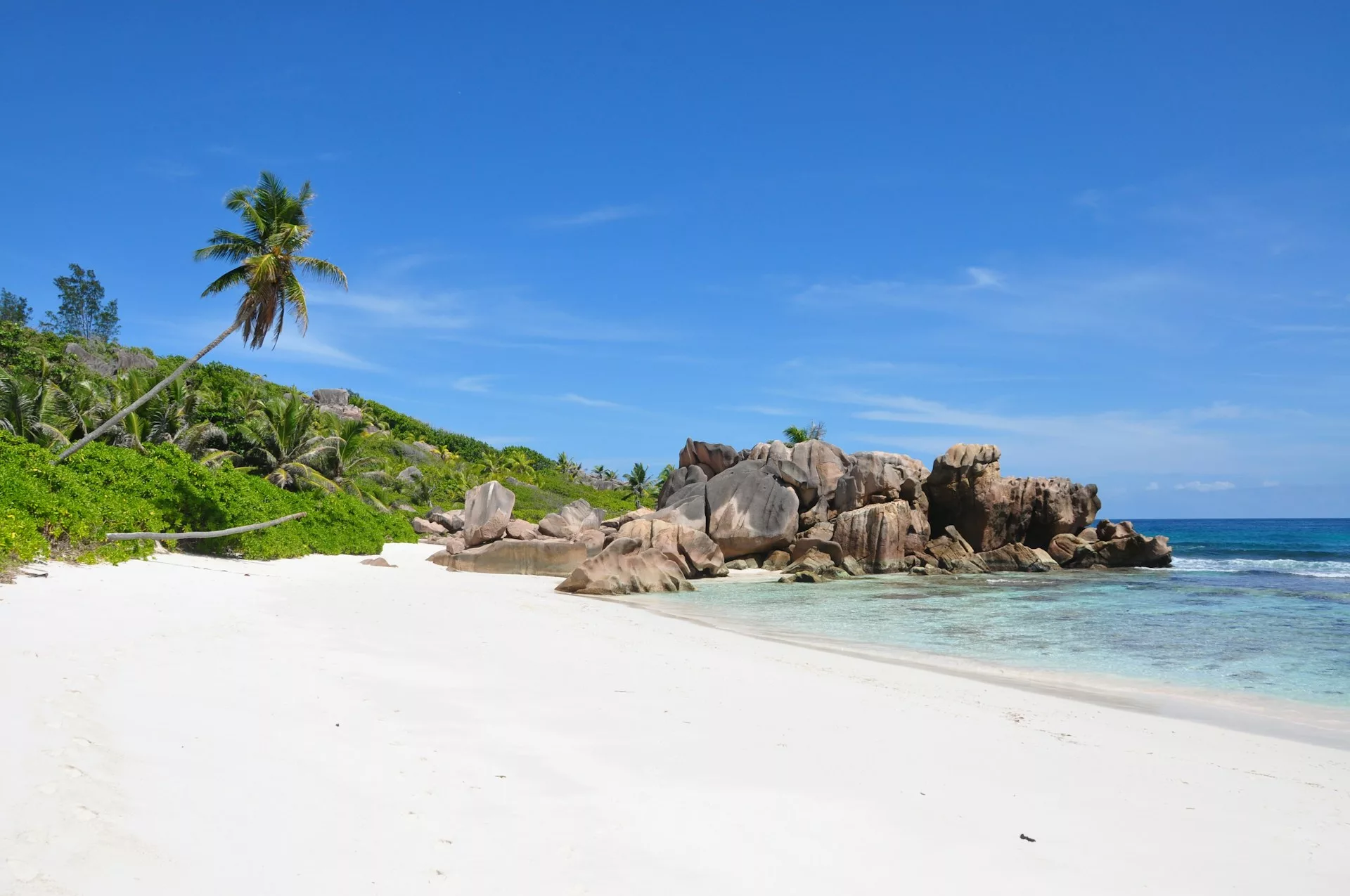

Fuengirola doesn't do anything by halves when it comes to its coastline. Stretching roughly eight kilometres along the Costa del Sol, this sun-drenched Andalusian town offers a sequence of beaches that range from family-friendly Blue Flag stretches to quieter coves tucked beneath crumbling clifftops. The water is reliably warm from May through October, the light turns everything golden by mid-afternoon, and the promenade — one of the most walkable on the entire southern coast — stitches it all together. Whether you're after a sunbed and a cold clara, or you want to find a patch of sand that hasn't made it onto every travel listicle, Fuengirola rewards the curious beach-goer.
This guide covers every major beach in Fuengirola in honest detail — facilities, character, crowd levels, and who each one suits best. No filler, no vague superlatives. Just the information you actually need to make the most of the coast here.
Understanding Fuengirola's Coastline
The beaches of Fuengirola run in a roughly continuous arc from the border with Mijas Costa in the west to the edge of Los Boliches and Benalmádena in the east. They're not separated by dramatic headlands or hidden behind private developments — this is a democratic coast, publicly accessible along its entire length, and connected by a wide, palm-lined paseo marítimo that cyclists, joggers, and early-morning pensioners all use simultaneously.
The sand is the warm, light-brown variety typical of the Costa del Sol — not the talcum-powder white of the Caribbean, but pleasantly fine underfoot and clean throughout the summer season. The Med here is calm and shallow close to shore, making it genuinely safe for children and confident for nervous swimmers. Water quality is monitored rigorously by the local authority; most of Fuengirola's beaches hold the Blue Flag certification, which requires standards across water quality, environmental management, and beach safety.
If you're planning a broader trip to the area, the Costa del Sol Tourism Board has useful orientation resources — but this guide goes deeper into Fuengirola specifically.
Playa de Fuengirola: The Town's Beating Heart
Start at the centre and work outwards. Playa de Fuengirola — sometimes referred to as the central beach — is the one most visitors picture when they imagine the town. It fronts the main promenade, runs for around two kilometres, and is flanked on both sides by the kind of beach bars (chiringuitos) that serve grilled sardines on wooden skewers alongside ice-cold Cruzcampo and portions of patatas bravas that arrive still crackling.
During July and August, the density here is real. Sunbeds are stacked in close formation, beach vendors circulate with impressive regularity, and the ambient soundtrack involves toddlers, competing Bluetooth speakers, and occasional announcements from the lifeguard post. This is not a beach for solitude. It is, however, a beach for atmosphere — the kind of lived-in, unpretentious seaside energy that feels authentically Spanish rather than resort-manufactured.
Facilities are comprehensive: accessible ramps, lifeguard coverage from June to September, beach showers, disabled-friendly infrastructure, and multiple chiringuitos serving food all day. Nearby, the beachfront promenade connects directly to the town centre, so you're never more than ten minutes from Fuengirola's markets, restaurants, and transport links.
Playa de Los Boliches: Calmer, More Local
Head east along the paseo and the crowds thin almost imperceptibly, but noticeably. Playa de Los Boliches sits within the neighbourhood of the same name — technically still part of Fuengirola's municipality — and has a distinctly different personality. The residential buildings here are older, the bars are cheaper, and the ratio of locals to tourists tips slightly in favour of the former, particularly outside peak season.
The beach itself is wide enough that even on a crowded Saturday afternoon in August, you can find space. The swimming is excellent: calm water, gradual entry, and a clarity that invites snorkelling with even a basic mask and tube. Several small restaurants back directly onto the sand, and the seafood at a handful of them — particularly the fritura malagueña, a mixed fried fish platter — is worth seeking out.
This is also a good starting point if you're exploring the area with children, since the shallower gradient and calmer microclimate (slightly more sheltered from westerly winds than the central beach) make it forgiving for smaller swimmers. For a full breakdown of family-friendly activity in the area, our guide to Fuengirola with kids covers everything from splash zones to safe swimming spots.
Playa de Santa Amalia and Playa de Torreblanca: The Quieter Eastern Flank
Continue east and the built environment begins to change. Playa de Santa Amalia and its neighbour Playa de Torreblanca occupy the stretch closest to the Benalmádena border, and they offer a noticeably more relaxed proposition. Fewer sunbed operations, more families spreading their own towels, and a sense that the beach here is used more as an extension of everyday life than as a holiday spectacle.
Torreblanca in particular has some of the best sand quality in the municipality — slightly finer, slightly lighter — and the water is reliably clear thanks to reduced beach density keeping the immediate shoreline cleaner. There are fewer chiringuitos here, which either feels like a drawback or a relief depending on your temperament. What you do get is proximity to some decent local cafes on the parallel streets, where a coffee and a tostada con tomate won't cost you tourist prices.
Both beaches hold Blue Flag status and have the standard facilities: showers, lifeguards in season, accessible paths. They're also reachable on foot or by the local Fuengirola urban bus network, making them accessible without a car.
Playa de Carvajal: The Hidden Pocket
West of the town centre, just before the municipal boundary shifts into Mijas Costa, Playa de Carvajal is Fuengirola's best-kept secret — though that status is eroding as the word spreads. This beach sits slightly lower than the road and is flanked by mature trees and a small residential development that somehow managed to retain a sense of enclosure. The result is a beach that feels genuinely secluded by Costa del Sol standards, even though it's neither remote nor difficult to reach.
The sand here is golden rather than pale, the beach is narrower than the central options, and the swimming is excellent — the water seems a shade more turquoise than further east, possibly due to the slightly different seabed composition. There's a good chiringuito that does a reliably decent espeto de sardinas and cold drinks at fair prices.
Carvajal draws a mixed crowd: Spanish families who have been coming for decades, a smattering of expats from the residential developments behind, and increasing numbers of visitors who've done their research. Arrive before noon in summer to secure the spot you want. It's also worth combining a visit here with wider exploration — if you want to understand what else the area has to offer beyond the beaches, the top things to do in Fuengirola is a logical next read.
Playa El Ejido and Playa de la Cruz: West of Centre
Between the central beach and Carvajal lie two further stretches that are often overlooked by visitors focused on the more prominent options. Playa El Ejido and Playa de la Cruz are workmanlike beaches in the best sense: clean, functional, consistently staffed with lifeguards in season, and lacking the slightly performative quality of the busier central zone.
El Ejido in particular is popular with local swimmers who come early, do their lengths parallel to the shore, and leave before the sunbeds fill up. The promenade here is slightly narrower, lined with older apartment blocks, and has an unpretentious neighbourhood feel. Playa de la Cruz sits adjacent to the Fuengirola Castle area, and the view from the sand looking back towards the Castillo Sohail — a Moorish fortress that dates to the 10th century — is genuinely worth experiencing. It provides the kind of historical backdrop that reminds you this coastline has been inhabited for a very long time, long before the arrival of concrete hotels and parasol rental operations.
Practical Information: Facilities, Timing, and Getting There
Most of Fuengirola's beaches are staffed with lifeguards from mid-June to mid-September, typically between 11am and 7pm. Blue Flag status across the majority of the beaches means water quality testing is conducted regularly — results are publicly posted at Spain's Ministry for Ecological Transition water bathing quality database.
Sunbed and parasol rental is available on all the major beaches, typically operated by private concessions with prices set each season. Expect to pay in the region of €8–15 for a set of two sunbeds and a parasol, depending on the beach and the operator. Negotiating for longer rentals isn't uncommon.
Getting there: Fuengirola is well-served by rail. The Cercanías C-1 line runs from Málaga city centre to Fuengirola in approximately 45 minutes, with stops also at Málaga Airport — making it one of the few major Costa del Sol resorts where a car genuinely isn't necessary for arrival. The train station sits a few minutes' walk from the central beach.
By road, Fuengirola is on the A-7 coastal highway and approximately 30 kilometres west of Málaga. Parking near the central beaches in high summer can be genuinely difficult; the quieter eastern and western beaches often have better availability.
Best Beaches for Different Travellers
Not all beaches suit all travellers equally, and part of making the most of Fuengirola's coast is matching what you want with what each beach delivers.
- Families with young children: Playa de Los Boliches for shallow, calm water and a local atmosphere; Playa de Torreblanca for quieter conditions and good sand quality.
- Those seeking atmosphere and amenities: Playa de Fuengirola (central beach) — busiest, most vibrant, best chiringuito density.
- Couples or solo travellers wanting some peace: Playa de Carvajal in the morning before the crowds arrive, or Playa de Santa Amalia on a weekday outside peak season.
- Watersports enthusiasts: The central beach and Los Boliches both have watersports operators offering jet-ski hire, paddleboarding, and pedalos during summer.
- Early risers: Any beach west of centre before 9am is a genuinely beautiful experience — golden light, empty sand, and the smell of salt and espresso drifting from the promenade cafes.
Beyond the Beaches: Making the Most of Your Time
The beaches are the headline act, but Fuengirola's coast is best experienced as part of something larger. The paseo marítimo connects the beaches to the town's commercial centre, its market halls, and eventually to the Castillo Sohail — which hosts an excellent mediaeval festival each summer. The Bioparc Fuengirola, one of the most progressive immersive zoos in Spain, sits close to the western beach zone and is a significant draw for those travelling with children.
Fuengirola also makes an excellent base for exploring the wider Costa del Sol and the Andalusian interior. The train line north connects to the Málaga city centre in under an hour; day trips to Mijas Pueblo, Marbella, and even Ronda are all practical without a car. If you're weighing your options, our round-up of the best day trips from Fuengirola covers the logistics and the highlights in full.
The Honest Verdict on Fuengirola's Beaches
The best beaches in Fuengirola are not the most dramatic on the Costa del Sol — they won't compete with the wild coves of the Costa Brava or the volcanic black sand of the Canaries for photogenic spectacle. What they offer instead is something arguably more valuable: consistency, accessibility, genuine quality of infrastructure, and a seafront atmosphere that has retained its Spanish character despite decades of international tourism. The water is warm and clean, the food is good and fairly priced when you step off the main drag, and the variety across the eight-kilometre coastline means there is genuinely a beach for every kind of visitor. Go to the central beach for the buzz, to Carvajal for the escape, to Los Boliches for the local flavour, and walk the whole stretch at least once — preferably at sunset, when the light does something unrepeatable to the water and the whitewashed buildings beyond.

Standard Minivan
 5
5
from just €7.65 per person
Group travel? Perfect option is our minivan, 5 passengers and 4 medium suitcases

Standard Saloon
3
from just €10.20 per person
Travel in comfort in these late model saloons, takes 3 passengers and 2 medium suitcases

Large Standard Minivan
8
from just €11.05 per person
Group travel? Perfect option is our large minivan, 8 passengers and 6 medium suitcases

Executive Saloon
3
from just €17.00 per person
Travel in style in these late model saloons, takes 3 passengers and 2 medium suitcases

Standard Minibus
9
from just €18.70 per person
Group travel? Perfect option is our minibus with upwards of 9 passengers and 9 medium suitcases

Luxury Saloon
3
from just €22.95 per person
Travel in luxury in these late model saloons, takes 3 passengers and 2 medium suitcases
Door to door private airport transfers to your destination, anywhere!
Ride Transfer Direct is a company dedicated to quality airport transfers globally. Our team have over 60 years of experience delivering services in the most popular destinations around the world