




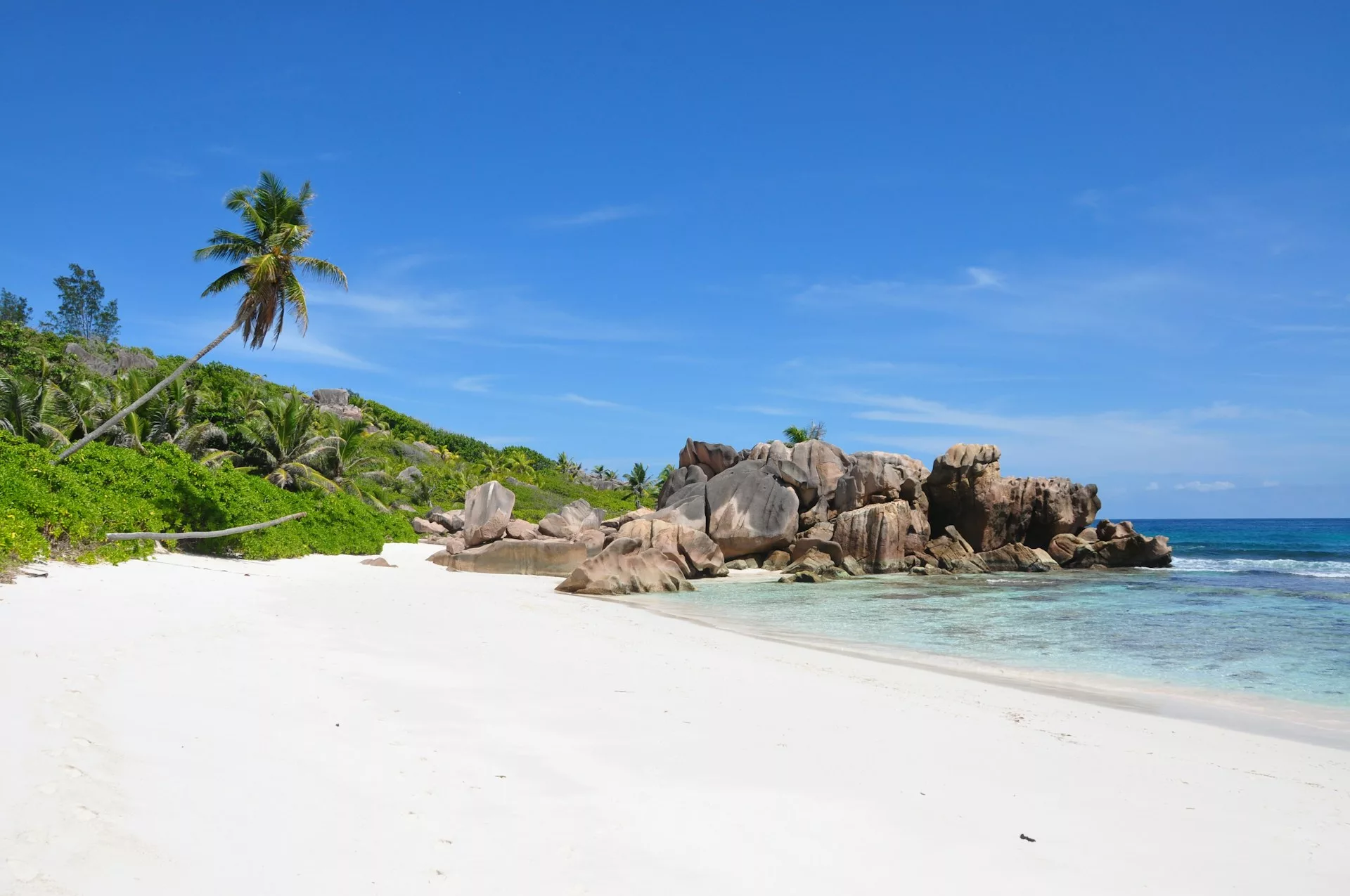
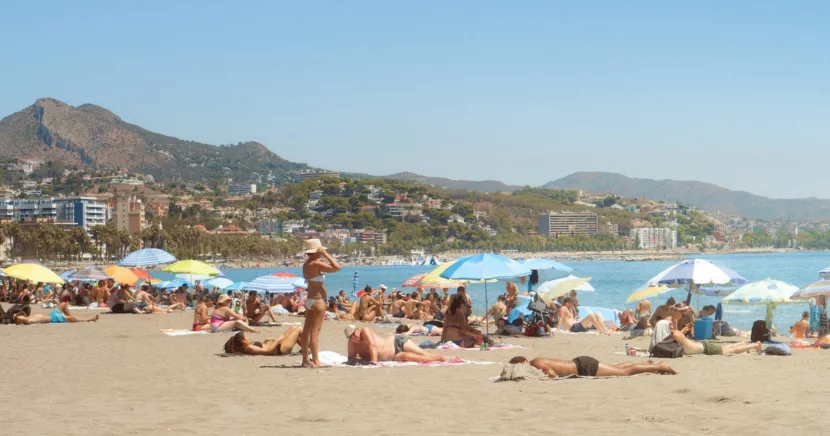
Málaga sits at the heart of the Costa del Sol — and that name, the Coast of the Sun, is not marketing hyperbole. With more than 320 days of sunshine annually, a water temperature that nudges 24°C by late August, and a coastline stretching roughly 160 kilometres through the province, this Andalusian city and its surrounding municipalities offer some of the finest beach-going in Europe. But not all beaches are equal. Some are gritty, noisy, and hemmed in by tower blocks. Others are genuinely spectacular — fine dark volcanic sand, crystalline water, pine-scented air, and a chiringuito serving cold pescaíto frito fifty metres from the shoreline. This guide cuts through the noise to bring you the best beaches in Málaga, from the urban strips right on the city's doorstep to the wilder, quieter coves further along the coast.
Understanding Málaga's Coastline
The province of Málaga divides its coast into two distinct stretches. To the west of the city you have the Costa del Sol Occidental — Torremolinos, Benalmádena, Fuengirola, Marbella — a largely developed, well-serviced strip popular with package tourists and long-term British and Scandinavian residents. To the east, things shift. The Costa del Sol Oriental, running through Rincón de la Victoria, Torre del Mar, Nerja, and eventually into the foothills of the Sierra Nevada, is quieter, less commercialised, and frequently more beautiful.
The city of Málaga itself occupies a central position, with its own urban beaches running along the Paseo Marítimo. If you're staying in the city centre, those beaches are minutes away on foot. If you're willing to travel thirty to sixty minutes by bus, train, or car, the options become considerably more interesting. For context on how to structure your time in the city alongside the beach, our Perfect Málaga Itinerary: How to Spend Three Days offers a useful framework.
La Malagueta: The City Beach Done Properly
Let's start where most visitors start: La Malagueta, Málaga city's principal urban beach. It lies a ten-minute walk east of the historic centre, separated from the port by the distinctive bullring, and it stretches roughly one kilometre along a promenade lined with palm trees, sun lounger rental stands, and a string of seafood restaurants that get genuinely busy from midday onwards.
The sand here is the characteristic dark grey-brown of Málaga's volcanic geology — not the blinding white of the Caribbean brochures, but warmer underfoot and part of the visual identity of this stretch of coast. The beach is Blue Flag accredited, well maintained, and equipped with showers, lifeguards, and accessible facilities. Water quality is consistently good for an urban beach of this footprint.
The best time to visit La Malagueta is either early morning — before 9am, when the light is golden and the crowds thin — or around sunset, when the city's evening culture kicks in and the promenade fills with locals rather than tourists. A cold espeto de sardinas (sardines grilled over an open fire on a cane skewer) from one of the beachside chiringuitos is, frankly, non-negotiable.
Playa de la Misericordia and Pedregalejo: The Local Alternative
Continue west from La Malagueta and you'll hit Playa de la Misericordia, which merges into a series of smaller neighbourhood beaches — El Palo, Pedregalejo, El Chanquete — that form Málaga's eastern residential barrios. These are city beaches, yes, but with a markedly different atmosphere. Fewer tourists, more Malagueños, and a restaurant culture that leans heavily on grilled fish and cold beer rather than paella and sangria for the cameras.
Pedregalejo in particular has a devoted following among those who know Málaga beyond the cathedral and the Picasso Museum. The beach itself is pleasant rather than spectacular, but the paseo behind it, lined with terrace restaurants under bougainvillea, is one of the better places to eat in the city. If you want to understand Málaga's food culture, this neighbourhood is essential. We explore it more thoroughly in our guide to the Best Food in Málaga: What to Eat and Where to Try It.
Playa de Burriana, Nerja: The Jewel of the Eastern Coast
Drive or take the bus fifty kilometres east of Málaga and the landscape shifts dramatically. The Sierra de Almijara tumbles towards the sea, the coastline breaks into coves and cliffs, and the town of Nerja — sitting above the water on a natural balcony called the Balcón de Europa — anchors some of the province's finest beaches.
Playa de Burriana is the largest of Nerja's beaches and consistently ranks among the best in Andalusia. It's approximately 800 metres long, backed by low-rise development rather than tower blocks, and lined with chiringuitos that have been serving excellent grilled fish since the 1970s. Ayo's, the most famous of these, is the place where the paella de marisco arrives in enormous pans cooked over open wood fires on the beach itself — a theatrical and genuinely delicious experience. Book ahead in July and August.
The water at Burriana is notably cleaner and clearer than the city beaches. The seabed shelves gently, making it suitable for families, and the snorkelling around the rocks at the eastern end is rewarding. Nerja's official tourism site provides current information on water sports hire and seasonal facilities.
Playa del Cantarriján: Andalusia's Most Beautiful Nudist Beach
A few kilometres further east of Nerja, just before the provincial border with Granada, lies Playa del Cantarriján. This is a protected nudist beach within the Maro-Cerro Gordo cliffs natural park, reachable only by a steep road that closes to private vehicles in summer (a shuttle bus operates from La Herradura). The effort involved in reaching it is, precisely, the point.
Cantarriján sits at the foot of dramatic limestone cliffs draped in vegetation, with water so clear you can see the seabed in five metres of depth. Two small coves separated by rocky outcrops give it an intimate, almost secret quality. There's a single beach bar serving cold drinks and simple food. Phone signal is intermittent. It is, by some distance, the most physically beautiful beach in the Málaga province — and because of the access restrictions, never overwhelmed even in high season.
Naturism is the norm here but by no means compulsory. The Junta de Andalucía's natural spaces portal carries full information about the protected status of this area and visiting guidelines.
Playa de la Cala del Moral and Rincón de la Victoria
Closer to the city — roughly fifteen kilometres east — the town of Rincón de la Victoria and its satellite communities offer a more accessible slice of quality beachgoing. Cala del Moral is a fine, dark-sand beach with a village atmosphere that still feels predominantly Spanish rather than tourist-oriented. The promenade here is excellent for an evening walk, and the seafood restaurants are reliably good without the premium pricing of the city centre.
Rincón de la Victoria town beach itself is longer, broader, and better equipped — sun lounger hire, water sports, multiple beach bars — and benefits from the Cercanías commuter train that connects it directly to Málaga city centre in under twenty minutes. For day-trippers from the city without a hire car, this is the most logical choice if you want to escape the urban beach scene without spending half the day in transit.
Playa de la Carihuela, Torremolinos: West Coast Redemption
The western end of the Costa del Sol carries baggage. Torremolinos, in particular, has a reputation built on the package tourism boom of the 1960s and '70s that has proved difficult to shake. But that reputation obscures a genuinely excellent stretch of beach. La Carihuela, in the old fishing quarter of the same name at Torremolinos's western end, is wide, well-maintained, and flanked by a promenade lined with some of the best seafood restaurants on the Costa del Sol.
The key is knowing where to go. Avoid the central tourist strip of Torremolinos entirely and head straight for La Carihuela. The beach here is broader and less crowded than the central sections, and the seafood — gambas al pil-pil, fried anchovies, coquinas (tiny wedge clams sautéed in white wine and garlic) — is outstanding. Torremolinos is also a ten-minute journey from Málaga on the Cercanías line, which makes it highly practical for day visitors.
Playa de Cabopino and Artola Dunes, Marbella
Forty-five kilometres southwest of Málaga, between Marbella and Calahonda, Playa de Cabopino sits alongside the Artola Dunes — a protected natural area of umbrella pines and shifting sand dunes that creates a backdrop completely unlike the built-up coast on either side. The beach itself is calm, relatively sheltered, and popular with families, windsurfers, and naturists (the eastern section is clothing-optional).
What distinguishes Cabopino is its naturalness. The dunes are a protected natural monument, which means development is restricted and the landscape retains a quality you simply won't find at the beaches immediately adjacent to Marbella's marina. The small harbour at Cabopino has several decent restaurants; go for the catch of the day rather than the menu turístico. The Costa del Sol Tourism Board maintains useful seasonal guides to beach facilities and access across the region.
Playa de Guadalmina and the Hidden Estepona Coves
Push further west, past Marbella and San Pedro de Alcántara, and the coast becomes noticeably less crowded. The beaches around Estepona — which has invested heavily in its urban regeneration and flower-filled streets over the past decade — are broader, quieter, and increasingly popular with those looking for a more relaxed alternative to the Golden Mile's glitz.
Playa de la Rada, Estepona's main town beach, stretches for over two kilometres and benefits from consistent Blue Flag status. But it's the smaller coves towards Guadalmina and Bahía Dorada that reward exploration — accessible by car or taxi from Estepona, these small beaches see a fraction of the footfall of the town beach and often retain that elusive sense of actually being somewhere rather than merely somewhere warm and convenient.
Practical Tips: Getting to Málaga's Best Beaches
Timing matters enormously on the Costa del Sol. July and August bring peak crowds, inflated prices, and 35°C-plus temperatures that make a beach umbrella essential rather than optional. June and September offer almost identical weather with a fraction of the visitors — these are, objectively, the best months to visit. May can be spectacular too, with water temperatures still building but air temperatures reliably in the mid-20s.
For the city beaches — La Malagueta, Pedregalejo — walking or cycling along the Paseo Marítimo is the best approach. The EMT Málaga urban bus network serves all city beaches efficiently. For beaches east of the city (Rincón de la Victoria, Torre del Mar), the Cercanías train is the most comfortable option. For Nerja and Cantarriján, direct buses run from the main bus station on Paseo de los Tilos. For western destinations (Torremolinos, Fuengirola, Benalmádena), the Cercanías C1 line is fast, frequent, and cheap.
Hire car is essential for Cantarriján in shoulder season and for exploring the Estepona coves — these simply aren't accessible by public transport at a practical level. Factor in that parking near popular beaches fills completely by 10am in summer.
- Best urban beach: La Malagueta — accessible, well-facilitated, great seafood nearby
- Best for scenery: Playa del Cantarriján — protected cliffs, crystal water, no crowds
- Best for families: Playa de Burriana, Nerja — calm water, gentle shelving, excellent facilities
- Best for foodies: La Carihuela, Torremolinos — seafood restaurants of genuine quality
- Best off-season beach: Playa de Cabopino — natural dunes, calm atmosphere, manageable year-round
- Best local experience: Pedregalejo — neighbourhood charm, Malagueño crowds, honest food
Beyond the Beach: Making the Most of the Costa del Sol
The beaches are only part of the picture. Málaga city itself is increasingly recognised as one of Spain's most culturally interesting destinations — the Picasso Museum, the Centre Pompidou's Málaga outpost, the Alcazaba fortress, and a restaurant scene that has evolved dramatically in the past decade all reward time spent away from the shoreline. For a broader picture of what the city and province offer, our guide to the Top Things to Do in Málaga, Spain covers the essentials.
The province also punches well above its weight for day trips. The white villages of the Axarquía, the dramatic Caminito del Rey gorge walk, Ronda's vertiginous cliffs, and Frigiliana's Moorish lanes are all within ninety minutes. If you're torn between beach days and exploration, our rundown of the Best Day Trips From Málaga You Shouldn't Miss offers a well-considered set of options for making the most of the region beyond the coast.
The Takeaway
The best beaches in Málaga aren't simply a matter of finding a patch of dark sand and dropping a towel. This coastline rewards planning: the difference between a mediocre beach day and an extraordinary one often comes down to choosing the right spot for the right conditions — Cantarriján on a clear June morning when the light turns the water turquoise, Burriana on a September evening with a plate of Ayo's paella and a glass of cold manzanilla, or Pedregalejo on a Sunday lunchtime when half of Málaga is doing exactly the same thing and nobody seems to mind. That specificity — knowing which beach, when, and why — is what separates a genuinely good Costa del Sol trip from a forgettable one.

Standard Minivan
 5
5
from just €7.65 per person
Group travel? Perfect option is our minivan, 5 passengers and 4 medium suitcases

Standard Saloon
3
from just €10.20 per person
Travel in comfort in these late model saloons, takes 3 passengers and 2 medium suitcases

Large Standard Minivan
8
from just €11.05 per person
Group travel? Perfect option is our large minivan, 8 passengers and 6 medium suitcases

Executive Saloon
3
from just €17.00 per person
Travel in style in these late model saloons, takes 3 passengers and 2 medium suitcases

Standard Minibus
9
from just €18.70 per person
Group travel? Perfect option is our minibus with upwards of 9 passengers and 9 medium suitcases

Luxury Saloon
3
from just €22.95 per person
Travel in luxury in these late model saloons, takes 3 passengers and 2 medium suitcases
Door to door private airport transfers to your destination, anywhere!
Ride Transfer Direct is a company dedicated to quality airport transfers globally. Our team have over 60 years of experience delivering services in the most popular destinations around the world