




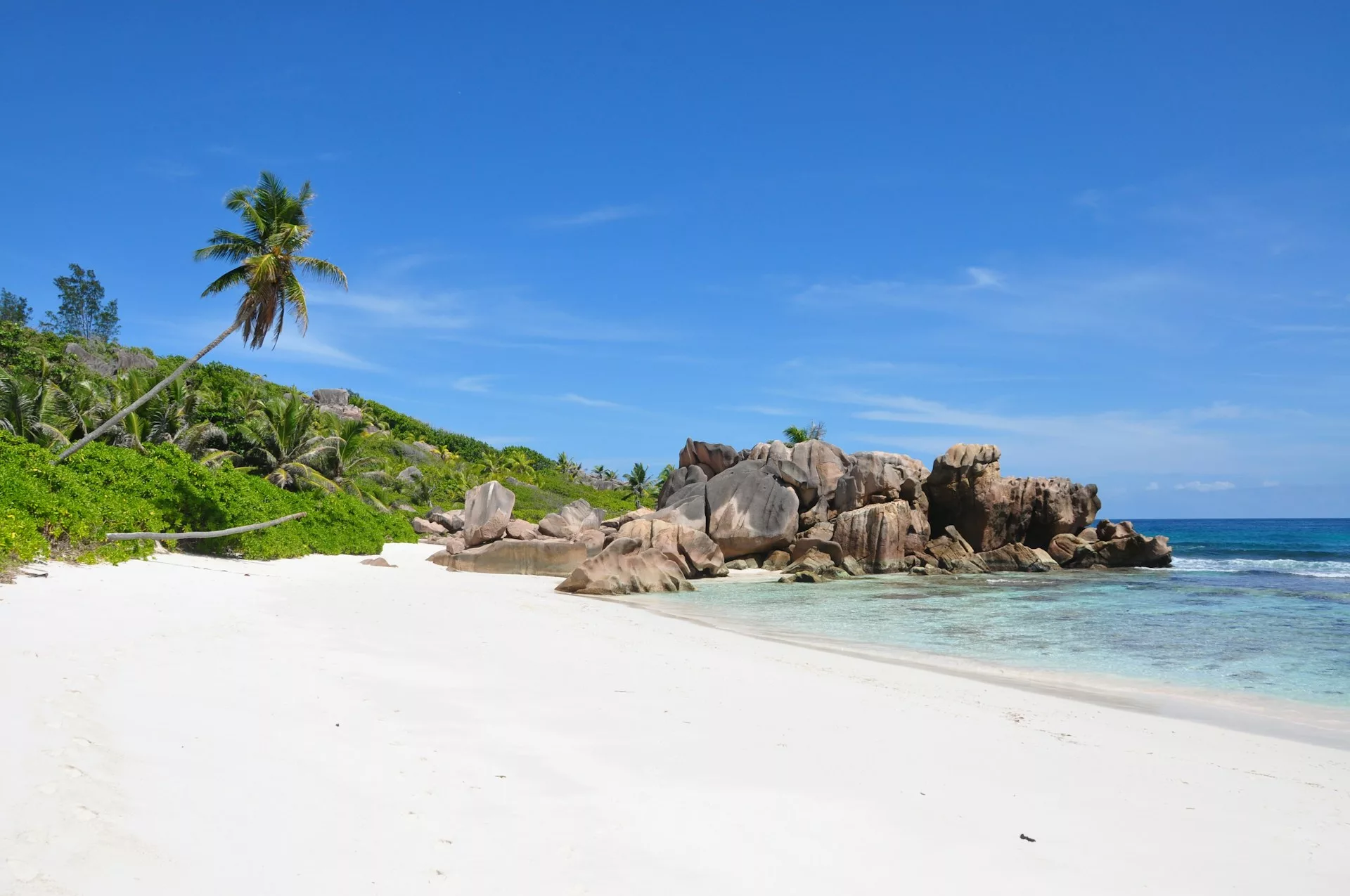

Valencia doesn't shout about its coastline the way Barcelona does. It doesn't need to. Stretching for miles along the Costa del Azahar, the city's beaches offer something increasingly rare on the Mediterranean circuit: space, character, and a local crowd that actually knows how to spend a summer afternoon. The water is warm from June through October, the sand is fine and golden, and the promenade — rebuilt after the city hosted the 2007 America's Cup — hums with a confidence that feels earned rather than manufactured. Whether you're after a lively urban beach with cold beer and volleyball nets, or a quieter cove where the pine trees meet the shoreline, Valencia delivers. This guide cuts through the noise and tells you exactly where to go, what to expect, and how to make the most of the best beaches in Valencia.
Why Valencia's Beaches Deserve More Credit
Ask most visitors what they're coming to Valencia for and they'll say the Fallas festival, the Ciudad de las Artes y las Ciencias, or the paella. The beaches tend to come as a pleasant afterthought. That's a mistake. Valencia's coastline sits just a 20-minute metro ride from the city centre, making it one of the most accessible urban beach setups in Europe. The Metrovalencia Line 5 deposits you directly at Playa de la Malvarrosa, and the network of cycling lanes that runs parallel to the waterfront means you can cover several beaches in a single afternoon without touching a car. The Mediterranean climate here averages over 300 days of sunshine a year, and the sea temperature rarely dips below a comfortable 20°C during peak season. These aren't consolation beaches — they're destination beaches that happen to have a world-class city attached to them.
Playa de la Malvarrosa: The Heartbeat of the Coast
If you only visit one beach in Valencia, make it Malvarrosa. This is the city's flagship stretch — roughly two kilometres of wide, pale sand flanked by a promenade lined with paella restaurants, ice cream stalls, and the kind of cheerful chaos that makes Mediterranean summers so addictive. On a July afternoon, the beach fills with families staking out territory with striped parasols, teenagers playing padel on the sand courts near the northern end, and old men who've clearly been occupying the same plastic chair since 1987.
The water here is calm and clear, shelving gently — excellent for families with young children. Lifeguard posts are well-staffed throughout summer, and the beach holds a Blue Flag certification, which speaks to the quality of both water and facilities. Showers, sunlounger hire, and beach volleyball courts are all present and functional rather than the afterthought they can feel like elsewhere on the Spanish coast.
The promenade restaurants are the real draw after dark. The stretch between Calle de Eugenia Viñes and Avenida del Mediterrani is ground zero for fresh seafood and traditional rice dishes — arroz a banda, fideuà, and the city's own version of paella cooked in the wide, shallow pans that Valencia invented and the rest of the world got wrong. If you want to understand the city's relationship with food, read our Ultimate Valencia Food Guide before you sit down to order.
Playa de las Arenas: Old Glamour, New Energy
Running directly south of Malvarrosa without a visible boundary, Las Arenas carries a slightly different character. This is where Valencia's beach culture has its deepest roots — the neighbourhood here, El Cabanyal, is one of the city's most fascinating, a former fishing village absorbed by urban expansion that has retained its tiled houses, narrow streets, and fiercely independent spirit.
Las Arenas itself is slightly narrower than Malvarrosa but no less enjoyable. The southern end merges with the port area, and on weekends in particular the promenade takes on a festive atmosphere — live music spills out of beach bars, cyclists weave through pedestrians, and the smell of woodsmoke from restaurant grills drifts across the sand. The landmark here is the Hotel Las Arenas, a grand Belle Époque building that looms above the beachfront with the quiet authority of a place that has seen the city change around it several times over.
For those interested in architecture and neighbourhood character as much as sand and sea, Las Arenas offers the most rewarding combination on Valencia's urban coastline. It connects naturally with an afternoon exploring El Cabanyal's street art and ceramic-tiled facades before heading back to the water for sunset.
Playa del Saler: Nature, Silence, and the Albufera Behind You
Drive or cycle 12 kilometres south of the city and the landscape shifts dramatically. Playa del Saler sits within the Parque Natural de la Albufera, a protected coastal wetland that is also the spiritual home of Valencia's rice culture — the same rice paddies that surround Lago de l'Albufera supply the grains that end up in every great paella in the city. The beach here is a study in contrast: behind you, flat green paddy fields and lagoons shimmer in the afternoon heat; ahead, the Mediterranean stretches to the horizon in deep, uninterrupted blue.
Saler is significantly quieter than the urban beaches, attracting a mix of serious swimmers, naturists at its northern end, and locals who want distance from the tourist circuit. The sand is finer here, the dunes more pronounced, and the line of umbrella pines that backs the beach provides natural shade that no hired parasol can match. This is genuinely one of the most beautiful stretches of coastline within easy reach of any major Spanish city.
Getting there without a car requires a bus from the city — the EMT Valencia Line 25 runs from the centre to El Saler village, from where it's a short walk to the beach. Alternatively, hire a bicycle and follow the dedicated cycling path that runs south from Malvarrosa through the park — the ride takes around 45 minutes and passes through some of the most quietly spectacular scenery in the Valencia region.
Playa de la Devesa: The Hidden Stretch Inside the Nature Reserve
Continuing south through the Albufera park, Playa de la Devesa is the beach that rewards the effort required to reach it. There is no hotel here, no chiringuito pumping reggaeton, no sunlounger rental operation. What you get instead is ten kilometres of near-deserted sand, backed by a forest of stone pines and junipers that hum with cicadas from late morning onwards.
The Devesa forest itself is worth knowing about. One of the largest remaining coastal pine forests on the Iberian Peninsula, it acts as a natural windbreak and gives the whole area an atmosphere that feels genuinely remote despite being less than 20 kilometres from Valencia's city centre. Swimming here is excellent — the water is clear, the bottom sandy and visible in three metres of depth, and the absence of boat traffic in the immediate area keeps conditions calm.
Bring everything you need: water, food, sun protection. The reward for that minor inconvenience is the kind of beach afternoon that most coastal destinations in Spain can no longer offer. Combine a morning here with lunch at one of the traditional restaurants around Lago de l'Albufera — the whole area makes for a superb day trip from Valencia that most guidebooks underserve.
Playa de Patacona: The Local's Alternative
Head five minutes north of Malvarrosa and you cross an invisible municipal boundary into Alboraya, where Playa de la Patacona begins. This is the beach that Valencia residents themselves tend to prefer — wide, well-maintained, slightly less crowded than its famous neighbour, and backed by a promenade that feels less tourist-facing and more neighbourhood-oriented.
Patacona has a particular appeal in the evening. As the heat of the day softens, locals arrive in force: couples walking the water's edge, groups of friends sharing cold horchata and fartons from the traditional stalls that line the promenade (Alboraya is the birthplace of Valencia's tiger nut drink, a fact the town does not let you forget), and teenagers who have no particular agenda beyond being seventeen by the sea on a warm evening.
The beach also offers some of the best sunset views along this stretch of coast, with the city skyline visible to the south and the open Mediterranean to the east. For those who want to combine beach time with an authentic local experience rather than a tourist-optimised one, Patacona is the most natural choice.
Playa de Canet d'en Berenguer: A Short Drive North for Calmer Waters
Around 35 kilometres north of Valencia, Canet d'en Berenguer offers a different pace entirely. This small coastal town has a beach that curves gently between two rocky headlands, creating calmer, more sheltered swimming conditions than the open-sea stretches further south. The village itself is quiet and functional rather than scenic, but the beach — roughly one kilometre of clean sand with adequate facilities and far lower visitor numbers than Valencia's urban coast — makes the drive worthwhile, particularly mid-week in July and August when Malvarrosa is operating at capacity.
The surrounding area has several good seafood restaurants serving fresh catches from the local fishing fleet. Order the boquerones (fresh anchovies, not the marinated variety) if they appear on the menu — along this stretch of coast they are usually caught that morning and are exceptional fried simply in olive oil with garlic.
Practical Essentials: Getting There and Making the Most of It
Valencia's urban beaches — Malvarrosa, Las Arenas, Patacona — are all accessible via Metrovalencia Line 5 (Marítim-Serreria or Las Arenas stops) or by bicycle along the dedicated coastal cycling path. The city has an excellent public bike hire scheme, Valenbisi, with docking stations throughout the centre and along the promenade.
For Saler and Devesa, the EMT Line 25 bus runs from Torres de Serranos in the old city centre. Journey time to El Saler is around 30–35 minutes. If you're planning to explore the broader Albufera area — highly recommended — consider hiring a car for the day or arranging a private transfer to give yourself flexibility between beach stops and the lagoon.
Peak season runs from late June to early September. The shoulder months of May, early June, and October offer the best balance of warmth and crowd levels — sea temperature remains above 20°C through October, and the promenade restaurants are far easier to get a table at without a reservation. If you're planning a broader visit and want to organise your time intelligently, the Ultimate Guide to Things to Do in Valencia covers everything from the city's museums to its festival calendar alongside its coastline.
Sun protection is non-negotiable. The Valencia coast sits at roughly the same latitude as Naples, and the Mediterranean UV index in July regularly reaches 8 or above — the kind of number that burns fair skin in under 20 minutes. Factor 50 before you leave the hotel, and reapply after every swim.
Which Beach is Right for You?
The best beaches in Valencia aren't a single answer — they're a spectrum. Malvarrosa and Las Arenas offer the full urban beach experience: accessible, buzzing, well-serviced, and immediately connected to the city's restaurant and nightlife scene. Patacona threads the needle between convenience and authenticity. Saler rewards those willing to travel 20 minutes for genuinely beautiful natural surroundings. Devesa is for the beach purist who wants nothing between them and the Mediterranean except sand and pine trees. And Canet offers a quieter northern alternative when the city beaches reach saturation.
What unites all of them is a quality of light and water that the Spanish east coast does particularly well — a clarity to the sea that makes the horizon look impossibly sharp, and an afternoon sun that turns everything gold about two hours before it sets. Valencia is a city that tends to exceed expectations; its beaches are where that pattern is most reliably confirmed. Come prepared to stay longer than you planned.

Standard Minivan
 5
5
from just €7.65 per person
Group travel? Perfect option is our minivan, 5 passengers and 4 medium suitcases

Standard Saloon
3
from just €10.20 per person
Travel in comfort in these late model saloons, takes 3 passengers and 2 medium suitcases

Large Standard Minivan
8
from just €11.05 per person
Group travel? Perfect option is our large minivan, 8 passengers and 6 medium suitcases

Executive Saloon
3
from just €17.00 per person
Travel in style in these late model saloons, takes 3 passengers and 2 medium suitcases

Standard Minibus
9
from just €18.70 per person
Group travel? Perfect option is our minibus with upwards of 9 passengers and 9 medium suitcases

Luxury Saloon
3
from just €22.95 per person
Travel in luxury in these late model saloons, takes 3 passengers and 2 medium suitcases
Door to door private airport transfers to your destination, anywhere!
Ride Transfer Direct is a company dedicated to quality airport transfers globally. Our team have over 60 years of experience delivering services in the most popular destinations around the world