




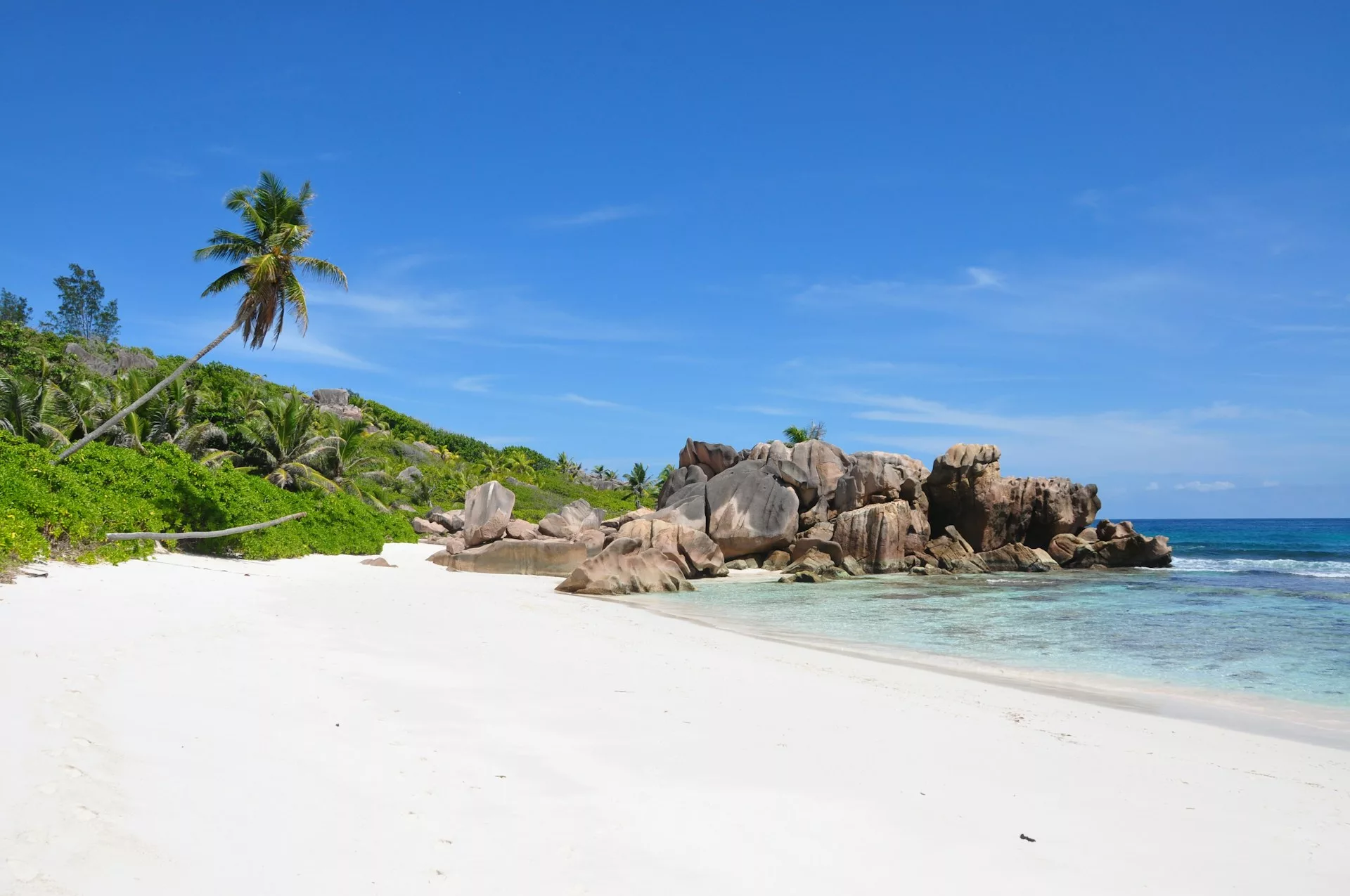

Whether you're after a broad, family-friendly sweep of sand with a cold beer and a sunlounger, a secluded cove hidden behind pine-scented dunes, or a wind-whipped bay that draws kitesurfers from across Europe, the Alcudia area delivers. This guide cuts through the noise and covers the best beaches in and around Alcudia — with honest detail on what each one is actually like, how to get there, and when to visit.
Playa de Alcudia: The Classic Choice
The undisputed centrepiece of any Alcudia beach holiday is Playa de Alcudia itself — a vast, unbroken arc of pale sand that stretches for roughly five kilometres from the edge of Alcudia town southwards towards Port d'Alcudia. It is one of the longest beaches in Mallorca, and deservedly one of the most visited.
What saves it from feeling overwhelming is the sheer scale of the thing. Even in July and August, when northern Europeans descend in their thousands, there is always room to breathe. The sand is consistently well-maintained by the local authority, the water is remarkably clear given the volume of visitors, and the gradual slope into the sea makes it ideal for families with young children. The paseo marítimo running parallel provides a useful lifeline of chiringuitos, ice cream stands, and restaurant terraces — including a handful of genuinely decent seafood spots that aren't simply coasting on the footfall.
The northern end of the beach, nearest to Port d'Alcudia marina, tends to be slightly busier and more commercialised. Walk twenty minutes south and the atmosphere mellows considerably. The beach is officially awarded a Blue Flag status most years, a reliable indicator of water quality and beach management standards.
Platja de Muro: Where the Landscape Changes
Continue south beyond the Alcudia municipality boundary and Playa de Alcudia transitions seamlessly into Platja de Muro — technically a separate beach belonging to the neighbouring municipality of Muro, but in practice an extension of the same extraordinary stretch of coastline. The distinction matters because Platja de Muro feels noticeably different: quieter, wilder, and fringed by protected dunes that are home to rare coastal plant species.
The dune system here forms part of the S'Albufera Natural Park, one of the most important wetland habitats in the western Mediterranean. Behind the beach, reed beds stretch inland, alive with the sound of warblers and reed buntings. The water along this stretch is exceptional — shallow, warm, and improbably transparent, the kind of colour that makes you reach for your camera before you've even put your bag down.
Access is via a series of wooden boardwalks that protect the fragile dune vegetation. There are fewer facilities here than at Playa de Alcudia — which is precisely the point. Pack water, factor in some decent sun protection, and claim your patch of sand early. Learn more about the wetlands at the S'Albufera Natural Park official information before you visit.
Playa de Sant Joan: A Tucked-Away Local Favourite
A short drive or bike ride north of Alcudia's old town brings you to Playa de Sant Joan, a small, sheltered bay that tends to attract a more local crowd than the main resort beaches. It is framed on both sides by low rocky outcrops, which cut the swell and create calm, crystalline water ideal for snorkelling. The seagrass beds visible below the surface are a sign of a genuinely healthy marine environment — and a reminder that Mallorca's coastline, despite the annual deluge of tourists, retains remarkable ecological integrity in the right spots.
Facilities are minimal but functional: a small beach bar, basic shower points, and a car park that fills quickly on summer weekends. The trade-off is an atmosphere that feels unhurried and genuinely Mallorcan. Come midweek in September, and you may have significant stretches of it to yourself.
Cala des Pou and Cala Molins: The Wild Northern Coves
Head north-west of Alcudia town, past the Cap des Pinar headland, and the terrain turns dramatically rugged. This stretch of coastline, partly military-controlled and accessible only on foot or by boat in places, hides some of the most beautiful coves on the island. Cala des Pou and Cala Molins sit within this zone — compact, pebble-and-sand beaches surrounded by pine forest and sheer limestone cliffs.
Getting here requires effort: a coastal path from the northern end of Port d'Alcudia, a kayak from the marina, or a boat trip. That effort is precisely what keeps these coves in the condition they're in. The water is extraordinarily clear — deep green close to the rocks, opening into vivid blue further out — and the snorkelling around the rocky edges is some of the best in the region without requiring a boat or a dive centre.
Go early, bring everything you need, and treat it gently. These are not maintained beaches in the conventional sense; they are fragments of a Mallorca that existed long before the tourism industry arrived.
La Victoria: Beaches with Altitude
The La Victoria peninsula, a protected natural area north-west of Alcudia, offers a different kind of beach experience altogether. The roads here narrow to single-track lanes that wind up through olive groves and pine forests before descending to hidden inlets. The main accessible beach in this area, Cala del Barcarès, is a small but perfectly formed crescent of sand with cliffs rising on either side and views across the bay to Cap de Formentor.
The La Victoria area rewards those who combine beach time with exploration. A network of hiking trails covers the peninsula, offering a way to earn your afternoon swim with a morning's walking through terrain that is simultaneously dramatic and deeply peaceful. The Consell de Mallorca's official nature parks information provides trail maps and access guidance for the broader region.
If you're planning to make the most of Alcudia beyond the beaches, our guide to 27 unmissable things to do in Alcudia covers the full picture — from Roman ruins to boat trips to the Tuesday market.
Port d'Alcudia Beach: For Families and Water Sports
The beach immediately fronting Port d'Alcudia is a different proposition from the wilder options further along the coast. This is where the hotels cluster, where the beach bars operate at full volume from June through August, and where the water sports concessions set up shop. Pedal boats, paddleboards, jet skis, banana boats — if it floats and involves a degree of recklessness, you will find it here.
None of that is a criticism. For families with energetic children, or for anyone who wants a beach day that involves activity rather than meditative stillness, Port d'Alcudia's beach delivers exactly what it promises. The water remains clean and shallow for a good distance out, the promenade behind offers everything from fresh-squeezed orange juice to full paella lunches, and the marina a few hundred metres away adds a pleasing nautical backdrop.
It is worth noting that the beach here, while perfectly pleasant, is not the finest sand in the area. The real quality — the pure white, fine-grained sand that photographs so well — is found further north and south along the bay. But as a base for a sociable, activity-driven beach holiday, Port d'Alcudia is hard to fault.
When to Visit for the Best Beach Experience
The honest answer, if you want the beaches of Alcudia to themselves, is May, June, or September. The sea temperature in May is still on the brisk side — hovering around 18–20°C — but the light is extraordinary, the beaches are virtually empty, and the island is operating at something close to its natural rhythm. June offers reliably warm water and long days without the intensity of peak season. September is arguably the finest month of all: the summer crowds have thinned, the sea is at its warmest (often reaching 26°C), and the late afternoon light turns the bay gold in a way that justifies any number of clichéd sunset photographs.
July and August are intense. The main beaches are busy, the roads into Alcudia slow, and accommodation prices reach their annual peak. That said, the beaches are managed efficiently, the water quality remains high, and the atmosphere — particularly in the evenings, when families eat late on restaurant terraces — has a genuine Mediterranean vitality that is easy to enjoy if you arrive prepared.
Getting to Alcudia's Beaches
Alcudia is approximately 60 kilometres from Palma de Mallorca Airport, making it one of the longer transfers on the island. The most straightforward option for most visitors is a private transfer direct to their accommodation — particularly sensible if arriving late or with young children and heavy luggage. The official Palma Airport information outlines ground transport options.
Once in Alcudia, a hire car or a bicycle gives the most flexibility for reaching the more secluded beaches. The local bus network, operated by Transport Illes Balears, connects Alcudia with Port d'Alcudia and the main bay beaches, though reaching the wilder coves to the north requires either a vehicle or a willingness to walk.
Cycling is genuinely viable for much of the Alcudia bay area — the terrain is flat, the distances manageable, and several bike hire companies operate out of Port d'Alcudia. For the peninsula roads to the north and west, a degree of fitness helps.
Practical Tips for an Alcudia Beach Holiday
- Arrive early. By 10am on a summer's day, the best spots on Playa de Alcudia are already taken. By 8am, you have your pick.
- Bring reef shoes for the rocky northern coves — the sea entries can be sharp underfoot.
- Respect the dune vegetation at Platja de Muro. The boardwalks exist for a reason; the fines for straying off them are real.
- Check the wind direction. The tramuntana wind from the north can make some of the more exposed northern beaches unpleasant on certain days, while the sheltered southern end of the bay remains calm.
- Water quality is generally excellent, but avoid swimming immediately after heavy rainfall — a rarity in summer, but worth knowing.
- Sunscreen matters. The Mallorcan sun is considerably more intense than a typical British summer, and the white sand reflects UV with enthusiasm.
If you're combining your beach days with time in town, the Alcudia old town guide is worth reading before you arrive — the medieval walls and Roman archaeological site make for a compelling contrast to a morning on the sand.
Snorkelling and Marine Life
The waters around Alcudia's northern coves, in particular, offer some exceptional snorkelling. Posidonia oceanica — the endemic Mediterranean seagrass that is both a marker of water quality and a protected species — carpets the seabed in the shallower bays. Through a mask, the effect is mesmerising: rays of sunlight filtering through the canopy, small fish darting between the fronds, occasional glimpses of octopus tucked beneath rocky overhangs.
The rocky edges of Cala des Pou and the northern section of Platja de Sant Joan are consistently good for snorkelling. Equipment is available to hire from various outlets in Port d'Alcudia, or can be picked up inexpensively from the larger supermarkets in the resort area. For anyone interested in learning to dive, a number of PADI-certified dive centres operate out of Port d'Alcudia with access to sites throughout the bay and beyond — the PADI dive shop locator is a useful starting point for finding a verified operator.
Beyond the Beach: Making the Most of Alcudia
The beaches are the headline act, but Alcudia rewards those who look beyond the shoreline. The bay is surrounded by walking and cycling routes, the old town conceals two thousand years of layered history within its medieval walls, and the market held every Tuesday and Sunday is one of the most atmospheric in Mallorca. Read our full breakdown in The Ultimate Guide to Alcudia Market if you're planning to visit on market day — it's worth building your itinerary around.
The evenings, too, deserve attention. As the sun drops towards the Serra de Tramuntana and the beach crowds thin, the restaurants along the seafront come into their own. Fresh Mallorcan seafood — calamars a la romana, grilled red prawns, arrós de peix — eaten on a terrace with a glass of local wine and the sound of the sea a few metres away is, frankly, one of the better ways to end a day on this planet.
Alcudia's beaches represent the Balearics at their broadest and best — a coastline that ranges from full-service resort beach to pristine wild cove, backed by a town with genuine historical depth and enough quality restaurants to keep you well-fed for a fortnight. Come in September with a hire car, a snorkel, and no fixed agenda, and you will discover why this corner of northern Mallorca has been quietly outperforming its more famous rivals for decades.

Standard Minivan
 5
5
from just €7.65 per person
Group travel? Perfect option is our minivan, 5 passengers and 4 medium suitcases

Standard Saloon
3
from just €10.20 per person
Travel in comfort in these late model saloons, takes 3 passengers and 2 medium suitcases

Large Standard Minivan
8
from just €11.05 per person
Group travel? Perfect option is our large minivan, 8 passengers and 6 medium suitcases

Executive Saloon
3
from just €17.00 per person
Travel in style in these late model saloons, takes 3 passengers and 2 medium suitcases

Standard Minibus
9
from just €18.70 per person
Group travel? Perfect option is our minibus with upwards of 9 passengers and 9 medium suitcases

Luxury Saloon
3
from just €22.95 per person
Travel in luxury in these late model saloons, takes 3 passengers and 2 medium suitcases
Door to door private airport transfers to your destination, anywhere!
Ride Transfer Direct is a company dedicated to quality airport transfers globally. Our team have over 60 years of experience delivering services in the most popular destinations around the world