




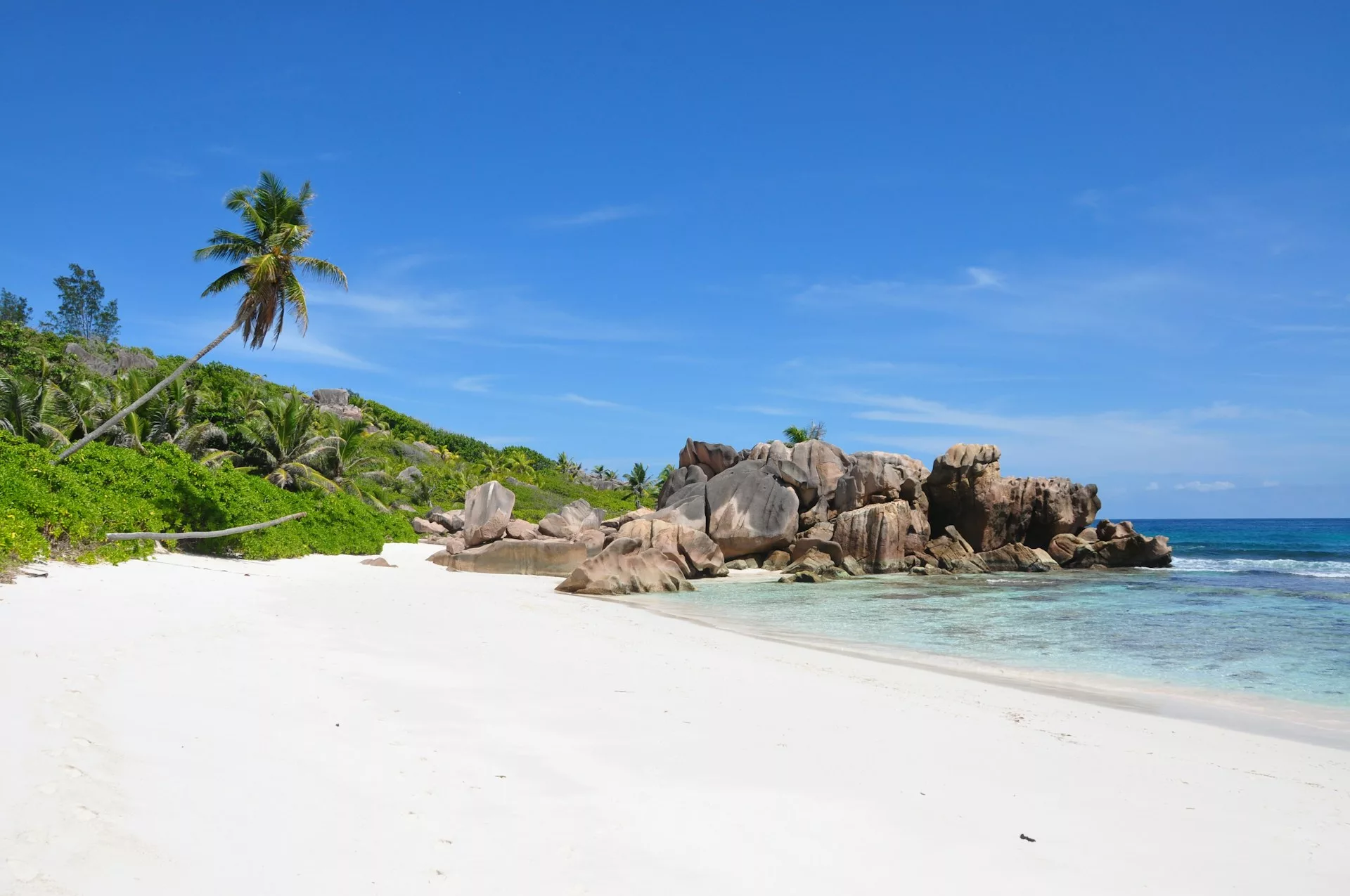

Nerja has a reputation problem — but not in the way you might expect. The issue isn't that it's bad. It's that most visitors only ever see the same three postcards: the Balcón de Europa, the crystalline chambers of the Cuevas de Nerja, and whichever beach is closest to their hotel. Tick those boxes, eat a plate of pescaíto frito, and fly home. Which means that the version of Nerja that actually gets under your skin — the one locals quietly cherish — remains almost entirely undisturbed.
This guide is for the traveller who suspects there's more. And there is. Considerably more. From forgotten coves only reachable on foot to a neighbourhood that time appears to have actively avoided, these are the Nerja hidden gems that rarely make it onto a highlights reel.
Maro: The Village That Tourism Forgot
Drive four kilometres east along the N-340 and you'll find Maro, a whitewashed hamlet perched above the sea with views that would command a premium in virtually any other European country. It doesn't. The village has perhaps 300 permanent residents, a 16th-century sugar mill ruin that stands in the main square without a single interpretive sign, and a church — the Ermita de las Maravillas — that's been quietly accumulating saints and candles since the 1600s.
What Maro lacks in tourist infrastructure it more than compensates for with atmosphere. The square itself, Plaza de las Maravillas, fills on Sunday mornings with locals drinking coffee outside the only bar in the village. Nobody is in a hurry. The cats outnumber the cars. The sugar cane that once made this area commercially significant still grows wild in the ravines below.
From Maro, a footpath descends steeply to Playa de Maro, one of the cleanest and most consistently beautiful beaches on the entire Costa del Sol. It holds a Blue Flag designation and sits directly beside the Acantilados de Maro-Cerro Gordo natural park — a protected coastal strip of extraordinary ecological value. The Junta de Andalucía's marine reserve information gives a sense of why the snorkelling here is exceptional: the water clarity rivals the Balearics, the seabed is rocky and varied, and the crowds are, even in August, manageable.
Playa del Molino de Papel: Nerja's Best-Kept Beach Secret
Most visitors to Nerja's beaches gravitate towards Burriana — justifiably so, it's excellent — but walk east along the cliff path from Burriana for roughly 15 minutes and you'll reach Playa del Molino de Papel. This narrow shingle and sand cove sits beneath dramatic limestone cliffs, accessible only on foot, and rewards the effort with near-guaranteed solitude outside peak August.
The name refers to a paper mill that once operated near the rivermouth here, though nothing remains. What does remain is a freshwater stream, the Río Chíllar, which enters the sea at the western end of the beach — creating a curious meeting of cold mountain water and warm Mediterranean salt. On hot afternoons, sitting where the two meet is one of those simple pleasures that Nerja delivers without fanfare.
If you're planning to explore this stretch properly, the Nerja hiking trails guide maps out several routes that connect the beach coves between Nerja and Maro, including paths that most visitors never find simply because they're not on the main tourist maps.
The Río Chíllar Walk: A Gorge Few People Know Exists
Speaking of the Río Chíllar — this river deserves its own section. The Caminito del Río Chíllar is arguably one of the most extraordinary walking routes on the Costa del Sol, and yet it remains almost entirely off the radar for package tourists. The route follows the river upstream from the edge of Nerja, wading through the water itself for much of its length, through a narrow limestone gorge with walls that rise 30 metres on either side.
You walk in the river, not beside it. Water sandals or old trainers are essential. The gorge narrows and opens, narrows again, the light changes colour as it filters through the rock. After about three hours of walking, you reach the Cascada de la Fabrica de la Luz — a waterfall and the remains of a hydroelectric plant from the early 20th century, hidden in the mountains as though the landscape swallowed it.
The walk is best done from June to September when water levels are manageable. Málaga's regional tourism board has useful seasonal guidance on conditions and access. Go early — the gorge is narrow and heavily shaded, which means it stays cool, but it also means groups can make passing awkward in the tighter sections.
The Old Town Backstreets: Where Nerja Stops Performing
There's a version of Nerja's casco antiguo that most visitors walk straight through without realising what they're passing. The commercial drag — Calle Pintada with its souvenir shops and heladerías — is fine for what it is. But one street west or east and the character changes entirely.
Wander into the residential lanes around Calle Almirante Ferrandiz and Calle Cruz in the early evening, around seven or eight, and you'll find neighbours talking across window boxes, the smell of something roasting on a cast-iron pan drifting from an open kitchen, small domestic shrines with candles and photographs mounted on exterior walls. This is Nerja as it actually lives, not as it presents itself to tourism.
The neighbourhood around the old Ermita de Nuestra Señora de las Angustias chapel is particularly evocative. The chapel itself — modest, cream-walled, perpetually half-open — dates to the 17th century and receives almost no visitor attention despite being within five minutes' walk of the Balcón de Europa. If you find it unlocked, step in. The painted wooden ceiling and the single shaft of afternoon light through the west window are genuinely affecting.
Frigiliana: Beyond the Day-Tripper Circuit
Frigiliana appears on every list of Andalucían pretty villages, and for good reason — its upper barrio, the Barribarto, is a genuine Moorish quarter of staggering beauty, with winding alleys, azulejo tile panels depicting the history of the Morisco rebellion, and views south to the sea. Most visitors spend 90 minutes here, photograph the same alley three times, and leave.
The secret is to stay longer and go higher. Above the tourist circuit, the village continues upward into a working agricultural landscape of terraced orchards growing the subtropical fruits — avocado, mango, cherimoya — that the microclimate of the Axarquía makes possible this far north of the African coast. Local vino de la tierra, the intensely sweet raisin wine produced from moscatel grapes dried on esparto mats, is sold in unmarked bottles from several houses near the top of the village. It tastes of raisins, caramel, and something that resists easy description.
The Frigiliana municipal tourism site lists local producers and annual festivals, including the celebrated Fiesta de las Tres Culturas in August, which commemorates the Christian, Moorish, and Jewish heritage of the town.
Off-Menu Eating: The Bars Locals Actually Use
Nerja's dining scene is better than its reputation suggests, but the restaurants near the Balcón are largely tourist-facing — pleasant enough, occasionally excellent, but priced accordingly and focused on what visitors expect rather than what locals eat. The genuine local food culture operates slightly differently.
The Mercado Municipal on Calle Almirante Ferrandiz is a working market rather than a food hall concept, and on weekday mornings it functions as a kind of informal social hub. The fishmonger stalls receive their delivery from Motril's port by early morning; the vegetable stalls carry the subtropical produce from the Axarquía that you won't find in a UK supermarket — proper ripe cherimoya, finger limes, medlar fruit in season.
For eating, the bars around Plaza Cantarero — a few streets back from the seafront — tend to serve a more authentic and better-value tapas experience than the central tourist axis. A small beer comes with a free tapa here as a matter of course: a plate of olives, a slice of tortilla, a small dish of marinated anchovies. Repeat as necessary.
For a more comprehensive steer on where to eat well in Nerja — including some specific restaurant recommendations that survive scrutiny — the Nerja food guide covers both the coastal spots and the local neighbourhood bars with the kind of specificity that actually helps you make a decision.
The Cueva de Nerja: What Most Visitors Miss Inside
The Cuevas de Nerja attract over half a million visitors a year, which places them firmly in the mainstream — and yet even here there are dimensions that the standard guided tour barely touches. The cave system extends far beyond the areas open to public access; what visitors see represents perhaps 15% of the total complex.
What the standard tour does show, if you pay attention, is extraordinary. The Sala del Cataclismo contains what is claimed to be the world's largest known stalactite column — a 32-metre structure of almost incomprehensible geological patience. The cave also contains some of the world's oldest known figurative cave art, attributed to Neanderthal artists and dated to over 65,000 years ago, though these sections are not currently accessible to the public.
The annual Festival de Música y Danza, held inside the cave each July, is one of the stranger and more memorable concert experiences available on the Spanish coast. Acoustics in the main chamber are remarkable, the temperature a constant 18°C regardless of the August heat outside, and the combination of illuminated stalactites and live flamenco is — there's no other word for it — theatrical in a way that feels entirely earned rather than engineered.
Getting There and Getting Around
Nerja sits roughly 50 kilometres east of Málaga along the coast road. Most visitors arrive through Málaga-Costa del Sol Airport, which handles an extensive range of direct UK routes, particularly from regional airports. The transfer from Málaga to Nerja takes approximately 45 to 55 minutes depending on traffic, and a private transfer is considerably more practical than navigating the bus connections with luggage.
Within Nerja itself, the town is walkable at its core — the casco antiguo and immediate beaches are all accessible on foot. For Maro, Frigiliana, and the Río Chíllar walk, a hire car or taxi is necessary. The local bus service does connect Nerja with Maro, but infrequently.
For those planning to combine Nerja with wider Andalucían exploration, the best day trips from Nerja guide covers routes to Granada, Málaga city, and the Axarquía interior with practical transport detail.
The Nerja That Stays With You
The Nerja that most people visit — the polished seafront, the famous balcony, the well-lit cave — is genuinely worth experiencing. It earned its reputation honestly. But the Nerja that stays with you is found elsewhere: in the silence of Playa del Molino de Papel at nine in the morning, in the cool stone walls of a gorge that has no Wi-Fi signal and no agenda, in a glass of moscatel wine handed over a wall by someone who doesn't speak your language but clearly wants you to try it. These are not difficult places to reach. They simply require a willingness to walk a little further, ask a different question, and resist the gravitational pull of the obvious. Do that, and Nerja will give you considerably more than it promises.

Standard Minivan
 5
5
from just €7.65 per person
Group travel? Perfect option is our minivan, 5 passengers and 4 medium suitcases

Standard Saloon
3
from just €10.20 per person
Travel in comfort in these late model saloons, takes 3 passengers and 2 medium suitcases

Large Standard Minivan
8
from just €11.05 per person
Group travel? Perfect option is our large minivan, 8 passengers and 6 medium suitcases

Executive Saloon
3
from just €17.00 per person
Travel in style in these late model saloons, takes 3 passengers and 2 medium suitcases

Standard Minibus
9
from just €18.70 per person
Group travel? Perfect option is our minibus with upwards of 9 passengers and 9 medium suitcases

Luxury Saloon
3
from just €22.95 per person
Travel in luxury in these late model saloons, takes 3 passengers and 2 medium suitcases
Door to door private airport transfers to your destination, anywhere!
Ride Transfer Direct is a company dedicated to quality airport transfers globally. Our team have over 60 years of experience delivering services in the most popular destinations around the world