




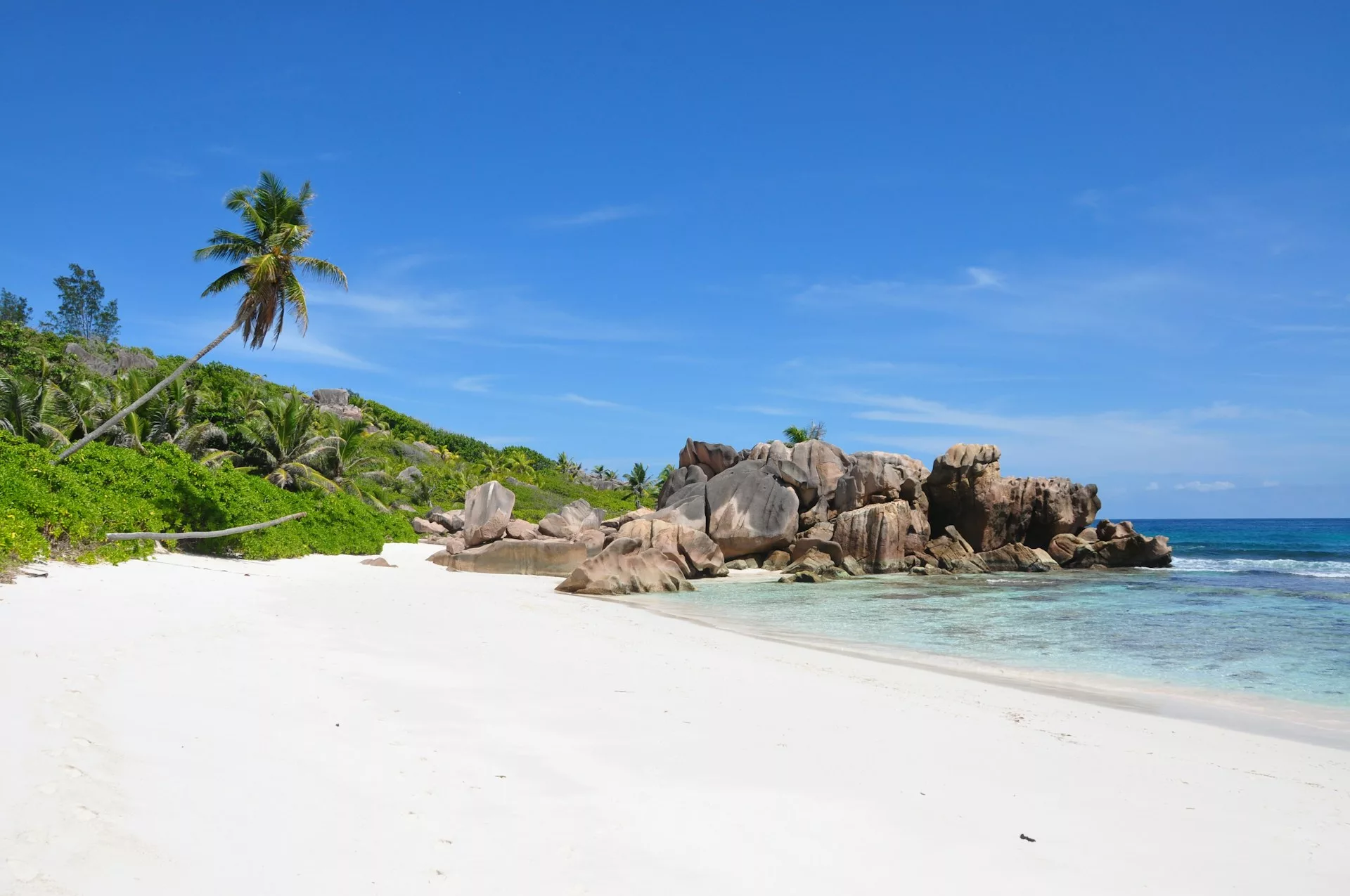

Nerja sits at the eastern edge of the Costa del Sol like a secret the rest of Andalucía has been quietly keeping. While the sunbeds fill up along Burriana Beach and day-trippers queue for the prehistoric caverns, a different crowd laces up their boots and heads for the hills. The Nerja hiking trails that ribbon through the Sierra de Almijara and hug the jagged Mediterranean coastline are, quite simply, some of the finest walking terrain in southern Spain — and they remain stubbornly underrated on the international trail circuit.
Whether you're after a leisurely clifftop stroll with a beer waiting at the far end, or a full-day mountain traverse that demands proper footwear and an early start, Nerja delivers. The landscape here shifts dramatically within a few kilometres: chalky limestone cliffs dropping to turquoise coves, river gorges thick with oleander, and ridge paths where the views stretch from the Sierra Nevada snowfields all the way to the North African coastline on a clear morning.
This guide covers the essential walks — graded honestly, described specifically, and organised to help you get the most out of the terrain regardless of your fitness level or how many days you're spending in town.
Why Nerja Is a Hiker's Destination, Not Just a Beach Resort
The town occupies a narrow coastal strip pressed between the sea and the Parque Natural Sierras de Tejeda, Almijara y Alhama, a protected natural park covering more than 40,000 hectares of rugged limestone mountain. That geological tension — the Mediterranean pressing against the mountains — is what gives the trails their drama. You're rarely walking flat ground. The paths climb quickly, reward generously, and tend to end somewhere you could justify a cold glass of Málaga white.
The hiking season runs almost year-round, which is another reason the trails deserve more attention. Summers are hot but manageable if you start before eight in the morning. Spring and autumn are ideal — wildflowers carpet the hillsides in April and May, and October brings that particular golden light that photographers chase. Even January sees clear, cool days perfect for covering serious elevation without sweating through your base layer.
If you're planning a full itinerary around your time here, our guide to top things to do in Nerja pairs well with this one — the hiking trails and cultural sites complement each other neatly, and you can structure your days to balance both without rushing either.
The Río Chillar: Nerja's Most Iconic Walk
Start with the one that earns its reputation. The Río Chillar trail follows the bed of an ancient river gorge west from the edge of Nerja town, and for roughly 11 kilometres each way, the path weaves in and out of the water, requiring you to wade through ankle-to-knee-deep stretches depending on the season. It is, by some considerable margin, the most atmospheric walk in the area.
The gorge walls close in as you move deeper into the park, rising to 100 metres of sheer limestone on either side. The light turns silver and cool. Oleander blooms pink in late spring. The water runs clear enough to see the riverbed stones in precise detail. There's no mobile signal and very little noise beyond the current and whatever birds are working the cliffs above you.
Practical notes: wear old trainers you don't mind soaking, or proper water shoes. Pack more water than you think you need — the river water isn't safe to drink. The trail is technically on public land but access has occasionally been restricted during extreme fire risk periods; always check with the Nerja town hall website or local tourist office before you go in summer. The full return journey takes five to seven hours and covers roughly 22 kilometres. Most people turn back at the waterfall, which is around five kilometres in and makes for a satisfying half-day option.
Maro Cliffs and the Coastal Path to Cerro Gordo
East of Nerja, the coastline becomes wilder and less frequented. The coastal path running from the village of Maro towards Cerro Gordo is one of the finest short walks on the entire Costa del Sol — and because it doesn't appear in most mainstream guides, you'll likely have significant stretches entirely to yourself.
The route begins at Maro's small square, drops steeply to the Caleta de Maro, then picks up a clifftop track that runs above a series of inaccessible coves. The sea below is the kind of blue that looks retouched in photographs but isn't. The path climbs gradually to the old watchtower at Cerro Gordo, a restored 16th-century fortification with views back along the entire sweep of coastline toward Nerja and, on clear days, the distant outline of the Rif Mountains in Morocco.
Distance: approximately 8 kilometres return. Difficulty: moderate, with some uneven rocky sections. No shade on the upper clifftop stretch, so sun protection matters in summer. The Maro Waterfalls — las Cascadas de Maro — are visible from below on this route, a freshwater cascade dropping directly onto the beach that is genuinely one of the stranger and more beautiful natural features in this part of Andalucía.
Frigiliana Loop: Mountain Villages and Moorish History
The white village of Frigiliana perches 430 metres above sea level in the foothills of the Sierra de Almijara, and the walking route connecting it to Nerja is one of those trails that gives you two experiences simultaneously: a solid mountain hike and a genuine encounter with Andalucían village life at the top.
The ascent from Nerja takes roughly two hours at a moderate pace, gaining around 400 metres of elevation through terraced hillsides of subtropical fruit cultivation — avocado, mango, custard apple — that give way to wild scrub and rosemary as you climb higher. Frigiliana's upper barrio, the Barribarto, is a UNESCO-listed labyrinth of cobbled lanes and whitewashed walls that reward slow exploration.
The village was one of the last strongholds of the Moorish Moriscos in 16th-century Spain, and its narrow street plan reflects that heritage — the layout was designed to confuse invaders. There's a small museum, several decent restaurants for lunch, and a local honey and wine cooperative worth visiting. Return the same way or take the road bus back to Nerja if your legs have had enough.
For those wanting to extend the adventure, day trips from Nerja into the Sierra Nevada or along the coast pair naturally with this mountain orientation — the region rewards a hiking-focused itinerary built across several days.
The Barranco de la Coladilla: A Hidden Gorge Walk
Less visited than the Río Chillar but arguably more dramatic in its upper sections, the Barranco de la Coladilla is a gorge trail that begins near the edge of Nerja and climbs into the park interior through increasingly wild terrain. The lower sections are accessible and well-marked; the upper gorge requires scrambling ability and a head for heights.
For casual walkers, the first three kilometres offer excellent scenery — deep rock formations, a small seasonal waterfall, and good birdwatching opportunities including golden eagles and Bonelli's eagles, which nest in the limestone cliffs of the park. The Spanish Ministry for Ecological Transition lists this broader mountain zone as critical raptor habitat, and the evidence on a morning walk is convincing.
More experienced walkers can push through to the upper barranco, where the path becomes a technical scramble through narrow rock channels. This section is best attempted with a local guide — the trail markings become inconsistent and the terrain punishing if you take a wrong turn.
Practical Guide: What You Need to Know Before You Walk
Maps and navigation: The Wikiloc app has numerous well-documented GPS tracks for all the major Nerja routes, many uploaded by local hikers and reasonably current. Download tracks offline before you leave as mobile coverage is patchy in the gorges. The park authority also provides printed trail maps from the visitor centre in Nerja town.
Footwear: Proper trail shoes or light hiking boots for mountain routes. Water shoes or old trainers for the Río Chillar. Sandals are insufficient for anything above a beachfront stroll.
Water and food: Carry a minimum of two litres per person for any route over three hours. There are no reliable water sources on the mountain trails. The coastal routes have beach bars at Maro and on Burriana, but plan for self-sufficiency. After a day in the hills, the Nerja food scene offers excellent recovery options — the town punches well above its weight for fresh seafood and Andalucían tapas.
Weather awareness: Summer temperatures above 35°C are common in July and August. Start any serious walk before 8am in these months and be back in town by midday. Flash flooding in the gorges is a genuine risk in autumn and winter — check weather forecasts and never enter river gorge routes if rain is forecast in the mountains above.
Permits and access: Most trails within the Parque Natural Sierras de Tejeda, Almijara y Alhama are freely accessible without permits. Some routes near private agricultural land require you to stay on marked paths. During extreme fire risk (typically July–September), sections of the park may be temporarily closed — this is enforced, not advisory.
Guided Walking Options in Nerja
For first-timers or those wanting deeper context about the landscape, geology, and local history, several specialist operators run guided walking days from Nerja. A good guide transforms the Río Chillar from a wet scramble into an education in Andalucían water management history, Moorish agricultural engineering, and the specific botany of a Mediterranean river gorge ecosystem.
The Andalucía tourism board maintains an updated list of certified walking guides and operators across the region. Local guides based in Nerja and Frigiliana typically offer small-group days of between four and eight people, which keeps the experience unhurried and allows time to stop properly at viewpoints rather than chasing the group leader's pace.
Half-day options are available for families with children or those combining hiking with other activities. The Maro coastal walk is particularly well-suited to this format — it's short enough for a morning, dramatic enough to feel like an achievement, and ends near a beach where lunch makes perfect sense.
Seasonal Highlights on the Nerja Trails
Each season brings a different version of the same landscape. Spring (March–May) is the hiker's optimum: wildflowers including peonies, rock roses, and dozens of orchid species bloom across the hillsides, temperatures sit between 16°C and 24°C, and the rivers run strong after winter rains. The Río Chillar is at its most photogenic in April.
Summer (June–August) demands early starts and route selection that prioritises shade — the gorge walks come into their own here precisely because the high canyon walls keep the temperature bearable. The sea views are at their sharpest and the tourist crowds, heavy on the beaches, largely absent on the mountain paths.
Autumn (September–November) brings the most consistent weather for long-distance mountain walking. The light is softer, the flora transitions from scorched yellow to recovering green, and you'll encounter mushroom foragers on the forest trails above Frigiliana from October onwards.
Winter (December–February) is genuinely mild at lower elevations, with daytime temperatures regularly reaching 16–18°C. Snow occasionally caps the Sierra Nevada to the north, creating the surreal visual of snowfields above and a glittering Mediterranean below. The trails are quiet, well-maintained, and entirely pleasant for anyone arriving from northern Europe.
Getting to the Trailheads
The Río Chillar trailhead sits at the eastern edge of Nerja, walkable from the town centre in about 20 minutes. The Maro coastal path begins in Maro village, served by local buses from Nerja's main bus stop — journey time is roughly 10 minutes. Frigiliana has regular bus connections from Nerja's central bus terminus, with services running throughout the day.
For those arriving from Málaga Airport, private transfers to Nerja take approximately 45–60 minutes depending on traffic, putting you in town in time for an afternoon acclimatisation walk before a longer day in the hills the following morning.
The Trails Are the Point
Nerja's beaches are genuinely excellent, and the town's historic Balcón de Europa lives up to its reputation. But if you leave without spending at least one morning on the trails — in the cool of a gorge, on a clifftop above Maro, or climbing toward the white walls of Frigiliana — you will have missed the thing that separates this stretch of coast from its blander neighbours. The Nerja hiking trails are where the landscape makes its strongest argument: that this is a place built not just for lying on but for moving through, slowly, on foot, with your eyes open and your phone in your pocket. Pack proper shoes, start early, and find the version of Nerja that the sunbed crowd never reaches.

Standard Minivan
 5
5
from just €7.65 per person
Group travel? Perfect option is our minivan, 5 passengers and 4 medium suitcases

Standard Saloon
3
from just €10.20 per person
Travel in comfort in these late model saloons, takes 3 passengers and 2 medium suitcases

Large Standard Minivan
8
from just €11.05 per person
Group travel? Perfect option is our large minivan, 8 passengers and 6 medium suitcases

Executive Saloon
3
from just €17.00 per person
Travel in style in these late model saloons, takes 3 passengers and 2 medium suitcases

Standard Minibus
9
from just €18.70 per person
Group travel? Perfect option is our minibus with upwards of 9 passengers and 9 medium suitcases

Luxury Saloon
3
from just €22.95 per person
Travel in luxury in these late model saloons, takes 3 passengers and 2 medium suitcases
Door to door private airport transfers to your destination, anywhere!
Ride Transfer Direct is a company dedicated to quality airport transfers globally. Our team have over 60 years of experience delivering services in the most popular destinations around the world