




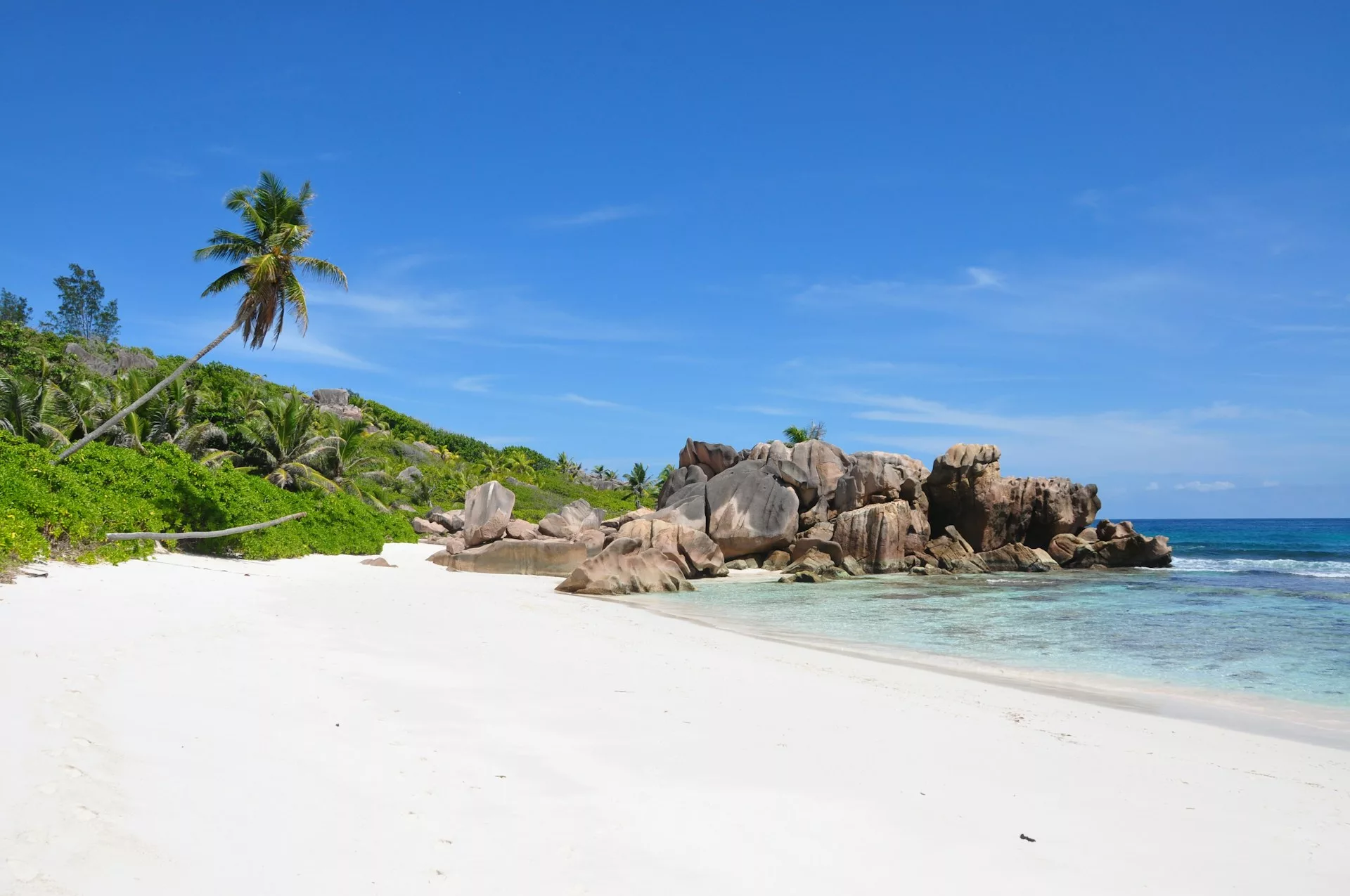

Mention the Costa del Sol and most people immediately picture Marbella’s glossy marinas or Málaga’s cultural heavyweight punch. Fuengirola, sitting quietly between the two, has long been dismissed as a package-holiday also-ran — a place of peeling sunbeds and all-inclusive buffets. That reputation, frankly, is wildly out of date. Today’s Fuengirola is a lively, genuinely Spanish town of 80,000 residents that happens to have seven kilometres of blue-flag coastline, a Moorish castle, one of Europe’s most progressive zoos, and a weekly market that stretches seemingly to the horizon. If you’re searching for things to do in Fuengirola that go beyond lying horizontal, this guide will keep you busy from first coffee to last nightcap.
Hit the Beaches — But Know Which One to Choose
Fuengirola’s coastline is the obvious opening act, but treating it as one undifferentiated strip of sand would be a mistake. The beaches here have distinct personalities. Playa de Los Boliches, at the eastern end, is where local families set up camp — expect chiringuitos serving espeto de sardinas (sardines grilled over an open fire on a cane rod) and the kind of unhurried atmosphere that belongs entirely to the Spanish summer. Playa de Fuengirola itself runs through the town centre, recently replenished with fine golden sand, and backed by the palm-lined Paseo Marítimo Rey de España — arguably one of the most pleasant seafront promenades on the entire Costa del Sol.
Further west, Playa de Carvajal offers a slightly quieter experience with excellent water sports hire, while Playa Santa Amalia edges into more local territory again. All of Fuengirola’s main beaches hold the Blue Flag certification, which means clean water, lifeguards during peak season, and decent facilities. For a full breakdown of every stretch of sand and what each one is genuinely good for, our Best Beaches in Fuengirola guide goes deep into the detail.
Explore Bioparc Fuengirola
Bioparc Fuengirola is the kind of attraction that surprises people who arrive expecting something modest. Opened in 2001, it has been quietly reinventing what a zoo can look like — not in terms of spectacle but in terms of ethics. The park is built around immersive habitat recreations: a West African rainforest where gorillas roam through dense vegetation; a Madagascar zone thick with lemurs and chameleons; a humid greenhouse sheltering reptiles and insects that most visitors have never seen in person. There are no bars in the traditional sense. Moats, glass, and landscaping create the separation, making for a far more affecting experience than the iron-railed zoos of a previous generation.
The park holds EAZA (European Association of Zoos and Aquaria) membership and participates in breeding programmes for endangered species, including Nile crocodiles and pygmy hippos. Plan for at least three to four hours, and arrive early — by midday in summer, both the animals and the visitors are feeling the heat. For families with children, this sits right at the top of the priority list, and we cover it in greater depth in our Fuengirola with Kids guide.
Climb to Castillo Sohail
Rising above the mouth of the Río Fuengirola on a rocky promontory at the western edge of town, Castillo Sohail is Fuengirola’s most dramatic landmark and, criminally, one of its most undervisited. The castle’s origins are Moorish — it was constructed in the tenth century under the Caliphate of Córdoba — though it was substantially modified during the Christian Reconquista and later fortified against Napoleonic forces during the 1810 Battle of Fuengirola, in which a small Polish regiment repelled a much larger British force in one of the more unexpected engagements of the Peninsular War.
The walk up takes around twenty minutes from the seafront and the views from the battlements are worth every step: the whole sweep of Fuengirola Bay opens up to the east, with the Sierra de Mijas rising sharply behind the town. Entry is free during open hours, and the castle grounds host the town’s annual Festival Internacional de Folclore each summer — an open-air world music event that runs across several nights and draws performers from across the Americas, Africa, and Eastern Europe.
Wander the Old Town and Mercado Municipal
Fuengirola’s old town — the area centred on Plaza de la Constitución and the streets radiating towards the church of Nuestra Señora del Rosario — is the antidote to the resort-strip monotony that characterises some of its neighbours. This is where Fuengirola lives in the Spanish sense: tapas bars with hand-written menus propped against the door, hardware shops that haven’t changed their window display since 1987, and a ambiente that feels entirely uncurated.
The Mercado Municipal de Abastos on Calle Moncayo is the place to eat breakfast like a local. Arrive before ten, find a stool at one of the counters inside, and order a tostada with fresh tomato and good olive oil alongside a proper café con leche. The stalls sell fish hauled in that morning from Fuengirola’s still-functioning fishing fleet, alongside Iberian charcuterie, wheels of Manchego, and herbs that smell more intensely of thyme and rosemary than anything you’ll find vacuum-packed at home.
The Tuesday market near the fairground is a separate spectacle entirely — one of the largest outdoor markets on the Costa del Sol, selling everything from leather goods and ceramics to bedding plants and second-hand tools. It opens early and winds down by midday.
Take to the Water
The warm, reliably calm waters off Fuengirola make it an excellent base for water-based activities at every level. Sailing, paddleboarding, kayaking, and jet skiing are all available along the beachfront, with several operators clustered around Playa de Fuengirola and Playa de Los Boliches. For something more structured, the local diving scene is well-developed: the seabed off this stretch of coast features rocky reefs, sea fans, and occasional octopus sightings, with visibility often reaching fifteen metres or more.
Sport fishing is another strong suit. Several charter boats operate out of the Puerto Deportivo de Fuengirola — the marina just west of the town centre — offering half-day and full-day sessions targeting bream, sea bass, and the occasional bluefin tuna that passes through during summer. The marina itself is a pleasant place to spend an evening: the terrace restaurants lining the quayside do decent seafood and the boats bobbing at anchor make for an attractive backdrop as the sun drops over the sierra.
Cycle or Walk the Senda Litoral
One of the most quietly impressive infrastructure achievements on the Costa del Sol is the Senda Litoral, a coastal path that — when eventually completed — will link Manilva to Nerja across more than 160 kilometres of coastline. The section passing through and beyond Fuengirola is already open and makes for superb cycling or walking. Heading east, the path weaves past beach bars and fishing villages before reaching the quieter coves beyond Los Boliches. Heading west, it links Fuengirola to the marina at Marbella via Mijas Costa, passing through sections of preserved dune habitat and rocky headlands that feel genuinely remote despite being minutes from a major resort town.
Bicycle hire is straightforward to arrange in Fuengirola, with several operators offering hybrid and electric bikes by the hour or day. The Costa del Sol Tourism Board publishes updated maps of the Senda Litoral route, including sections currently under construction.
Day Trips: Mijas Pueblo and Beyond
Fuengirola’s position is one of its great strategic advantages for visitors. Within thirty minutes by road or, in some cases, the local cercanías train, you can reach a remarkable spread of destinations. Mijas Pueblo, the whitewashed hill village directly above Fuengirola, is the nearest and most obvious excursion — the steep climb rewards with panoramic views, good restaurants, and a surprisingly interesting contemporary art scene tucked between the souvenir shops.
Málaga, forty minutes by train, offers the Picasso Museum, the Alcazaba, and a tapas culture that has developed significantly in quality over the past decade. Marbella, thirty minutes west, needs little introduction. Further afield, Gibraltar, Ronda, and Granada are all achievable as ambitious day trips. For a properly curated selection with practical logistics included, our Best Day Trips From Fuengirola guide covers the most worthwhile options in detail.
The Renfe Cercanías C1 line connecting Fuengirola to Málaga is reliable, inexpensive, and runs frequently — the kind of public transport link that makes a hire car optional rather than essential for at least the first few days of a stay.
Eat and Drink Well
Fuengirola’s dining scene has improved markedly over the past decade, moving beyond the fish-and-chips-versus-paella binary that once defined resort eating on this coastline. The fishing tradition remains the backbone: fritura malagueña (a mixed seafood fry in light batter), gambas al ajillo, and fresh grilled dorada are all done properly here, particularly in the restaurants behind Playa de Los Boliches where the clientele is primarily Spanish.
For tapas in the old-town style, the streets around Plaza Constitución yield reliable finds — look for places with printed laminated menus in Spanish only and no photographs on the wall, which remains a reasonable heuristic. Calle de la Cruz and the surrounding pedestrianised lanes are particularly good for hopping between bars. Wash everything down with a cold manzanilla or a glass of local Málaga vino dulce — the sweet wine produced from sun-dried Moscatel grapes in the hills above the city — and the evening takes on a particular, irreplaceable quality.
For something more considered, the restaurant scene around Paseo Marítimo has attracted a handful of chefs doing interesting things with Andalusian ingredients: ceviche incorporating local seafood, Japanese-influenced crudo, and modern takes on the classic ajoblanco (Málaga’s cold almond and garlic soup, which deserves far more international recognition than it receives).
Getting There and Getting Around
Fuengirola sits approximately 30 kilometres west of Málaga Airport — one of the best-connected airports in southern Europe, with direct flights from across the UK and the rest of Europe operating year-round. The Cercanías train from the airport to Fuengirola takes around 45 minutes and costs a handful of euros, making it one of the most pleasingly simple airport-to-resort transfers on the continent.
Alternatively, a private transfer is the most comfortable option for families or those arriving with significant luggage, particularly late at night when train frequency drops. Once in Fuengirola, the town itself is highly walkable — the seafront promenade, old town, castle, and Bioparc are all within reasonable striking distance of each other on foot. The marina and western beaches are slightly further but easily reached by bicycle or local bus.
The Honest Takeaway
Fuengirola works best for travellers willing to look past the surface layer of resort infrastructure towards the genuinely Spanish town that operates beneath it. The things to do in Fuengirola that will stay with you aren’t necessarily the organised excursions or the headline attractions — though Bioparc and Castillo Sohail are both legitimately excellent — but the accumulated texture of mornings at the Mercado Municipal, evenings navigating the tapas bars of Plaza Constitución, afternoons on a beach that still smells of woodsmoke from a sardine grill rather than sun cream. Come without the assumption that familiarity breeds contempt, and Fuengirola will consistently surprise you. That, ultimately, is the mark of a destination worth returning to.

Standard Minivan
 5
5
from just €7.65 per person
Group travel? Perfect option is our minivan, 5 passengers and 4 medium suitcases

Standard Saloon
3
from just €10.20 per person
Travel in comfort in these late model saloons, takes 3 passengers and 2 medium suitcases

Large Standard Minivan
8
from just €11.05 per person
Group travel? Perfect option is our large minivan, 8 passengers and 6 medium suitcases

Executive Saloon
3
from just €17.00 per person
Travel in style in these late model saloons, takes 3 passengers and 2 medium suitcases

Standard Minibus
9
from just €18.70 per person
Group travel? Perfect option is our minibus with upwards of 9 passengers and 9 medium suitcases

Luxury Saloon
3
from just €22.95 per person
Travel in luxury in these late model saloons, takes 3 passengers and 2 medium suitcases
Door to door private airport transfers to your destination, anywhere!
Ride Transfer Direct is a company dedicated to quality airport transfers globally. Our team have over 60 years of experience delivering services in the most popular destinations around the world