




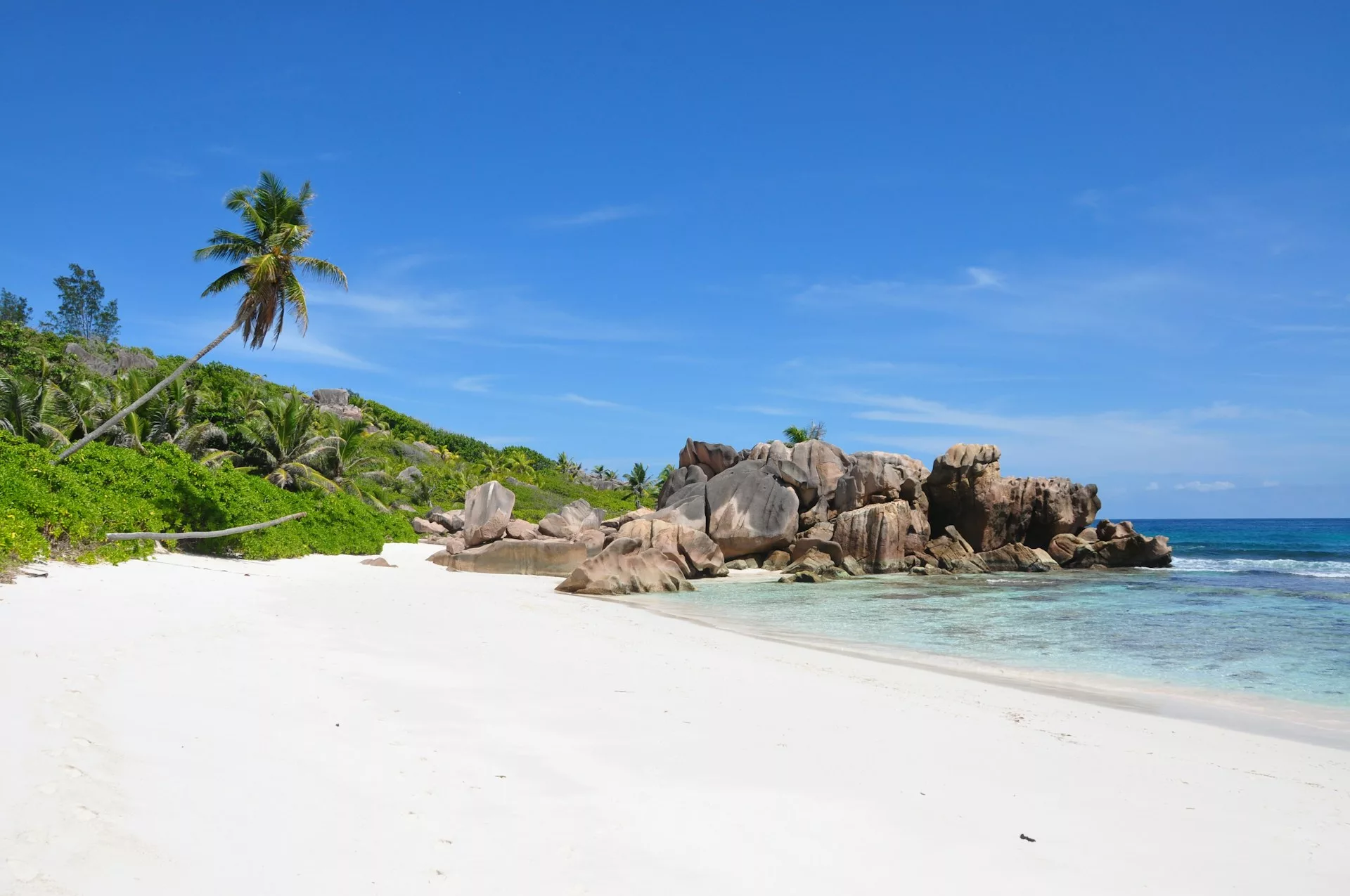

Perched on a dramatic cliffside stretch of the Costa del Sol, Nerja occupies a peculiar sweet spot that most Spanish resort towns have long since surrendered — genuinely beautiful, historically layered, and not yet entirely swallowed by the package-holiday machine. The whitewashed Moorish architecture climbs the hillsides above crystalline coves, the tapas bars are still largely run by the same families who opened them forty years ago, and the surrounding landscape ranges from Saharan-dry scrubland to lush subtropical ravines. If you are trying to work out what to do in Nerja beyond lying on a sunlounger, the answer is: considerably more than you might expect.
This guide cuts through the noise to bring you the experiences that genuinely define the town — from the prehistoric drama underground at the Cuevas de Nerja to the unhurried pleasure of watching the sun dissolve into the Mediterranean from the Balcón de Europa. Whether you have three days or a fortnight, Nerja rewards curiosity.
The Balcón de Europa: Where Nerja Begins and Ends
Every visit to Nerja is organised, consciously or not, around the Balcón de Europa — a palm-lined promenade jutting into the sea from the town centre like the prow of a ship. King Alfonso XII gave it its name during a visit in 1885, apparently so struck by the panoramic views that he declared it the balcony of Europe. The hyperbole is forgivable. Stand here at golden hour, with the Sierra Almijara fading to violet behind you and the Mediterranean blazing copper below, and you will understand the sentiment entirely.
The balcón is the town’s social spine. Buskers, elderly locals playing cards, families eating ice cream, couples watching the fishing boats return — all life passes through here. Beneath the viewpoint, accessible via steep steps cut into the rock, are two small cove beaches. The setting is theatrical. The sunsets are genuinely among the finest on the Spanish coast.
Cuevas de Nerja: Underground Spectacle of Prehistoric Scale
The Cuevas de Nerja are not a polite tourist attraction. They are one of the most extraordinary cave systems in Europe — a vast, cathedral-like network of stalactite chambers that stretches for nearly five kilometres, with a public section covering just under a kilometre. Discovered in 1959 by a group of local boys following a bat colony through a collapsed hole in the hillside, the caves contain archaeological evidence of Palaeolithic habitation dating back more than 40,000 years. Cave paintings here — red seals, abstract ochre marks — may be among the oldest in the world.
The main chamber, the Sala del Cataclismo, is home to what the Guinness World Records has cited as the world’s largest known stalactite column, rising over 32 metres. Standing beneath it is a genuinely humbling experience. The caves maintain a constant temperature of around 18°C year-round, making them a particularly welcome escape during the searing Andalusian summer. Book tickets in advance — queues can be significant in high season — and consider timing your visit to coincide with the summer concert series held inside the caves, where flamenco and classical performances take on an almost surreal resonance in this ancient amphitheatre.
The caves are located about 3 kilometres east of the town centre. A taxi or local bus will get you there without drama.
Nerja’s Best Beaches: Beyond the Obvious
Nerja has the kind of beach geography that rewards exploration. The most visited is Playa Burriana, and with good reason — it is the longest stretch in town, a broad arc of pale sand backed by chiringuitos (beach bars) serving grilled sardines on bamboo skewers, which is both a local ritual and a genuinely delicious way to spend a Tuesday afternoon. The beach is well-equipped without feeling clinical, and the water clarity here is exceptional.
For something quieter, head to Playa El Salón and Playa La Calahonda, both tucked beneath the Balcón de Europa. These small cove beaches are accessible on foot and attract a more local crowd. The rock formations create natural sheltered pools; snorkelling here, particularly in the early morning before the crowds arrive, is outstanding.
Further east, Playa Maro sits within the Acantilados de Maro-Cerro Gordo protected natural park and is arguably the most beautiful beach in the entire province of Málaga. The approach via a narrow winding road through subtropical vegetation is itself part of the pleasure. The beach is backed by cliffs and edged by freshwater waterfalls that trickle down the rock face in spring. Development here is minimal by design, so bring water and supplies. It is the kind of place that still feels like a discovery.
Old Town Nerja: Architecture, History and Hidden Squares
Nerja’s casco antiguo — the old town — is a compact but genuinely absorbing network of narrow lanes, bougainvillea-draped walls and small plazas that reveal themselves slowly. The town’s Moorish past is legible in its street patterns and in architectural details that survived the Reconquista intact. The Iglesia El Salvador, Nerja’s parish church, stands on the site of a former mosque and contains notable mudéjar tilework in its interior — a fusion of Islamic decorative tradition with Catholic construction that is characteristic of post-Reconquista Andalusia.
The Museo de Historia de Nerja is small but well-curated, tracing the town’s trajectory from Neolithic settlement through Phoenician traders, Roman occupation, Moorish rule, and into the modern era. Admission is inexpensive and the building itself — a former theatre — adds architectural interest. Plan for an hour.
Wandering the streets around Calle Pintada and the old quarter east of the Balcón will take you past ceramic workshops, independent boutiques and old-school tapas bars where the specials are still chalked on a blackboard in near-illegible handwriting. For practical guidance on where to eat and drink across these streets, our Nerja food guide covering local restaurants and tapas bars provides thorough, specific recommendations.
Hiking and the Natural Landscape
Nerja sits at the western edge of the Parque Natural Sierras de Tejeda, Almijara y Alhama, a protected mountain range that provides extraordinary walking opportunities within a short drive of the town centre. The terrain shifts dramatically from coastal Mediterranean scrubland to limestone peaks and deep gorges. Wildlife is abundant: golden eagles, Bonelli’s eagles, wild boar, and the Spanish ibex are all present in reasonable numbers.
The Río Chillar route is the most famous walk in the region — a riverbed hike that involves wading through the shallow river for several kilometres into an increasingly dramatic gorge, the canyon walls rising sheer on either side. The route is suitable for most fitness levels, requires no technical skill, and is best done in summer when the water is warm and the cooling effect of the gorge is most appreciated. Start early to avoid the crowds that gather by mid-morning.
For those who want to explore further into the sierra, the network of marked trails leading up to the Canillas de Albaida and beyond offers serious walking with serious views. The full detail of these routes — distances, difficulty grades, seasonal considerations — is covered in our guide to Nerja hiking trails and coastal mountain walks.
Water Sports and Active Pursuits
The combination of clear, warm water and consistently settled summer conditions makes Nerja an excellent base for water-based activities. Snorkelling and scuba diving are well-organised here — the rocky coastal areas around Playa La Torrecilla and the marine reserve near Maro offer visibility that can exceed 20 metres in calm conditions. Several local operators run guided dive trips and PADI certification courses; Buceo Nerja is among the most established.
Kayaking the coastline from Nerja east toward Maro is a fine way to access beaches and coves that are either difficult or impossible to reach by land, including several small sea caves in the cliff face. Paddle-boarding has taken hold in recent years, with rental available directly from Playa Burriana. Boat trips departing from the small harbour below the Balcón de Europa offer a different perspective on the cliffs and the cave mouth of the Cuevas de Nerja as seen from the sea — a surprisingly impressive vantage point.
Day Trips From Nerja: The Wider Region
Nerja’s position on the eastern edge of the Costa del Sol, with Granada an hour to the north and Málaga forty-five minutes to the west, makes it a genuinely well-placed base for exploring the wider Andalusian region. Granada is an obvious priority — the Alhambra palace complex ranks among the most important surviving examples of Moorish architecture anywhere in the world, and the Albaicín quarter, with its tea houses and labyrinthine streets, makes a full day feel insufficient. Book Alhambra tickets well in advance; they sell out weeks ahead in high season.
Frigiliana, the white village directly above Nerja in the foothills of the sierra, is often described as one of the most beautiful villages in Spain — and for once the description holds up. The upper barrio is a tangle of impossibly steep cobbled lanes, ceramic art installations set into walls, and views over the coastal plain that justify the climb alone. It can be reached by local bus from Nerja in about fifteen minutes.
Competa, further into the mountains, is wine country — the Moscatel grape thrives on the steep terraced hillsides and the local bodegas produce a distinctive sweet wine that is central to the town’s identity. The annual wine festival in August is a boisterous, unpretentious affair. For a comprehensive overview of excursions from the area, our guide to the best day trips from Nerja covers routes, timings, and practical transport options in detail.
Eating, Drinking and the Rhythm of the Day
Eating in Nerja operates on Andalusian time, which means lunch is the main event and begins no earlier than two in the afternoon. The mercado municipal on Calle Cristo is the best place to start any food-focused day — local farmers bring produce from the surrounding valleys, and the fish stalls reflect the morning’s catch with complete honesty. Anchovies, sea bream, red prawns from Málaga, razor clams.
Calle Pintada and the streets immediately around it contain the highest concentration of quality tapas bars in the town centre. The tradition in this part of Andalusia is to receive a free tapa with every drink ordered — a custom that has survived here better than in the more tourist-saturated towns further west. Expect fried aubergine drizzled with cane honey, slow-cooked pluma ibérica, and house-made espeto de sardinas prepared with seasoned familiarity.
The evening paseo — the ritual pre-dinner stroll — happens along the Balcón and down to the beach bars, and it is worth participating in simply as a means of orienting yourself socially in the town. The Spanish don’t eat dinner before nine in the evening; the gap between the paseo and the table is filled with vermouth, olives, and conversation.
Practical Information: Getting There and Getting Around
Nerja is served primarily by Málaga Airport, which lies approximately 55 kilometres to the west. The journey by road takes around fifty minutes in normal traffic conditions. Private transfers are the most convenient option for groups or those arriving with luggage; the A-7 coastal road is scenic and the drive itself, passing through subtropical river valleys and coastal tunnels, is a reasonable introduction to the landscape. Public buses connect Nerja to Málaga’s main bus station several times daily.
Within Nerja, most of the key attractions are walkable from the town centre. The Cuevas de Nerja require either a taxi (five minutes, minimal cost) or the local bus service that runs regularly from the centre. For Playa Maro, a car or taxi is the practical option unless you are prepared for a long walk in summer heat.
The Verdict on Nerja
What makes Nerja worth prioritising over the more prominent names on the Costa del Sol is precisely what it has resisted becoming. There are no vast hotel towers here, no strip of identikit British pubs, no beach clubs playing commercial house music from ten in the morning. Instead, there is a town with a genuine identity — a coherent relationship between its history, its landscape, and its people — that accommodates visitors without having been reshaped entirely for their convenience. The Cuevas de Nerja alone justify the trip for anyone with even passing curiosity about deep prehistory. The beaches at Maro rank with the finest in Spain. The walking in the sierra is world-class. And the food, when you follow local habit rather than tourist instinct, is simply excellent. Nerja doesn’t need to oversell itself, and that, ultimately, is the most convincing advertisement it has.

Standard Minivan
 5
5
from just $9.00 per person
Group travel? Perfect option is our minivan, 5 passengers and 4 medium suitcases

Standard Saloon
3
from just $12.00 per person
Travel in comfort in these late model saloons, takes 3 passengers and 2 medium suitcases

Large Standard Minivan
8
from just $13.00 per person
Group travel? Perfect option is our large minivan, 8 passengers and 6 medium suitcases

Executive Saloon
3
from just $20.00 per person
Travel in style in these late model saloons, takes 3 passengers and 2 medium suitcases

Standard Minibus
9
from just $22.00 per person
Group travel? Perfect option is our minibus with upwards of 9 passengers and 9 medium suitcases

Luxury Saloon
3
from just $27.00 per person
Travel in luxury in these late model saloons, takes 3 passengers and 2 medium suitcases
Door to door private airport transfers to your destination, anywhere!
Ride Transfer Direct is a company dedicated to quality airport transfers globally. Our team have over 60 years of experience delivering services in the most popular destinations around the world